
How to Choose Right Pet for You
I’ve watched friends bring home energetic puppies when they work 50-hour weeks. Six months later, the dog’s back at the shelter, and my friend’s drowning in guilt. Picking a pet should feel exciting, not like a gamble.
Most people choose with their hearts and ignore their calendars completely. When you choose right, you get a companion that fits your life instead of turning it upside down. Those who choose right the first time avoid the heartbreak of rehoming.
Here’s how to think through this decision without the rose-colored glasses.
Start With Your Honest Daily Schedule
Grab your calendar and map out a typical week. Not your dream week—your real one with all the overtime and errands included. How many hours are you home and awake?
Dogs need you in ways cats simply don’t. They need potty breaks, walks, training sessions, and social interaction every single day. If you’re gone 10+ hours daily, a dog will struggle unless you hire a dog walker or come home at lunch.
Cats handle alone time beautifully. They sleep 12-16 hours daily and won’t destroy your apartment while you earn a living. When you choose right for your schedule, nobody suffers.
Your sleep patterns matter too. Some dogs wake at 6 AM demanding breakfast and a walk. Cats often adapt to your rhythm, content to sleep until you stir.

Match Energy Levels Without Ego
Be brutally honest about your activity level right now—not five years ago, not in your fantasy life. That border collie looks incredible on Instagram, but can you commit to two hours of exercise daily for the next 15 years?
High-energy dogs like huskies, shepherds, and retrievers need serious outlets for their drive. Without them, they chew furniture, dig craters in your yard, and develop neurotic behaviors. I’ve seen it happen more times than I can count.
Medium-energy options work better for most people. Basset hounds, older rescues, or smaller breeds like shih tzus enjoy walks but won’t spiral into chaos if you skip a day. When you choose right, your pet’s needs align with what you can sustain long-term.
Cats range from velcro companions who follow you room to room to independent souls who appear at dinner time. Most adult cats land somewhere in the middle—playful in short bursts, then done.
Space Matters More Than You Think
A tiny apartment doesn’t automatically rule out dogs, but it narrows your options significantly. A greyhound seems huge, yet they’re famous couch potatoes who sleep most of the day. A Jack Russell terrier fits in a backpack but needs room to sprint and explore.
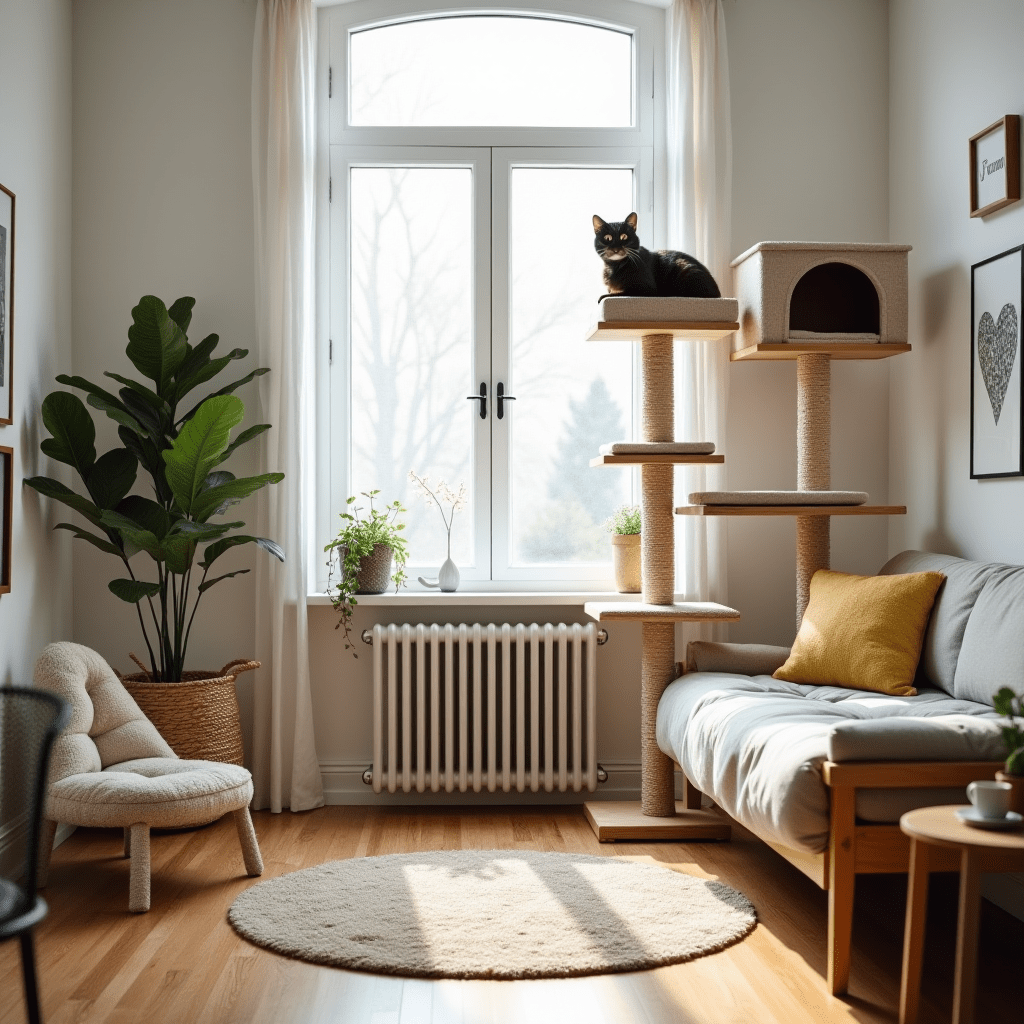
Cats adapt well to small spaces if you provide vertical territory. Cat trees, wall-mounted shelves, and window perches transform a 400-square-foot studio into a feline playground. Dogs need floor space to move and ideally outdoor access for bathroom needs.
Renting adds another layer. Check pet policies before you fall in love with any animal. Breed restrictions, weight limits, and pet fees eliminate options fast.
Budget Beyond the Adoption Fee
That $75 shelter adoption fee feels like a steal until the first vet visit hits $300. Annual costs vary dramatically between species, and smart pet owners plan for the long haul.
Dogs typically cost $700-2,000 yearly for food, preventative vet care, medications, and basic supplies. Large dogs eat more and need bigger versions of everything—crates, beds, leashes, toys. Cats run $400-1,200 yearly. They eat less, and indoor cats avoid many injury risks that send dogs to emergency clinics.
Emergency vet visits can wipe out savings overnight. A blocked cat or torn dog ligament easily runs $2,000-5,000. Pet insurance helps, but monthly premiums add $30-80 to your budget. Families who choose right budget for the full lifespan, not just year one.
Pro Tips: Gear You’ll Actually Use
Skip the impulse buys at checkout and invest in what works. For dogs, a sturdy harness like the Ruffwear Front Range prevents pulling and keeps walks comfortable. A LickiMat smeared with peanut butter buys you 30 minutes of peace during Zoom calls.
Cat owners should grab a wide, shallow bowl like the Hepper NomNom to prevent whisker fatigue—a real condition that makes cats avoid their food. A sturdy cat tree from Feandrea gives vertical space without wobbling dangerously when your cat launches onto it.
Both species benefit from an automatic feeder like the PETKIT if your schedule fluctuates. And stock up on enzyme cleaner like Nature’s Miracle before you need it. Regular cleaners don’t remove the odor molecules that prompt pets to re-soil the same spot.
Cat vs Dog: The Real Differences
Dogs want your time and attention constantly. They need training, socialization, boundaries, and supervision for years. The payoff? Unconditional enthusiasm every single time you walk through the door, no matter what kind of day you had.
Cats offer affection on their own terms. They’re lower maintenance but still need interactive play, regular grooming, litter box maintenance, and veterinary care. Some people find cat love more meaningful because it feels earned rather than freely given to anyone with a treat.
Travel habits matter too. Dogs need boarding, a pet sitter, or a travel-compatible setup for even short trips. Cats handle a weekend alone with extra food, water, and a clean litter box—though longer absences still require someone checking in. Choose right by matching reality, not fantasy.
Frequently Asked Questions
ชอบบทความนี้? ค้นพบสินค้าที่เกี่ยวข้องบน Shopee