
Investing 2026: Where to Put Your Money This Year
My cousin texted me last week with $10,000 sitting in her savings account earning basically nothing. Her question was simple: “Where do I even start?” And honestly? It’s a fair question, because investing 2026 looks nothing like it did three years ago.
Rates are shifting, AI is reshaping entire industries, and crypto went from joke to (arguably) legitimate. So let’s cut through the noise and talk about where money actually makes sense right now.
Stocks: Still the Boring Winner
I’ll say it upfront: stocks remain my foundation. They’re not sexy, but decades of data don’t lie. The catch in 2026 is that the market feels top-heavy — a handful of AI-driven tech giants carry a massive chunk of index returns.
That concentration worries me a bit. If you’re dumping everything into an S&P 500 fund, you’re making a bigger bet on big tech than you might realize. I’ve been diversifying into equal-weight index funds and undervalued international markets to balance that out.
Dividend stocks deserve a mention too. With rates easing, solid dividend payers — utilities, healthcare, consumer staples — are back on the menu for income-focused portfolios.
Crypto: Less Casino, More Asset Class
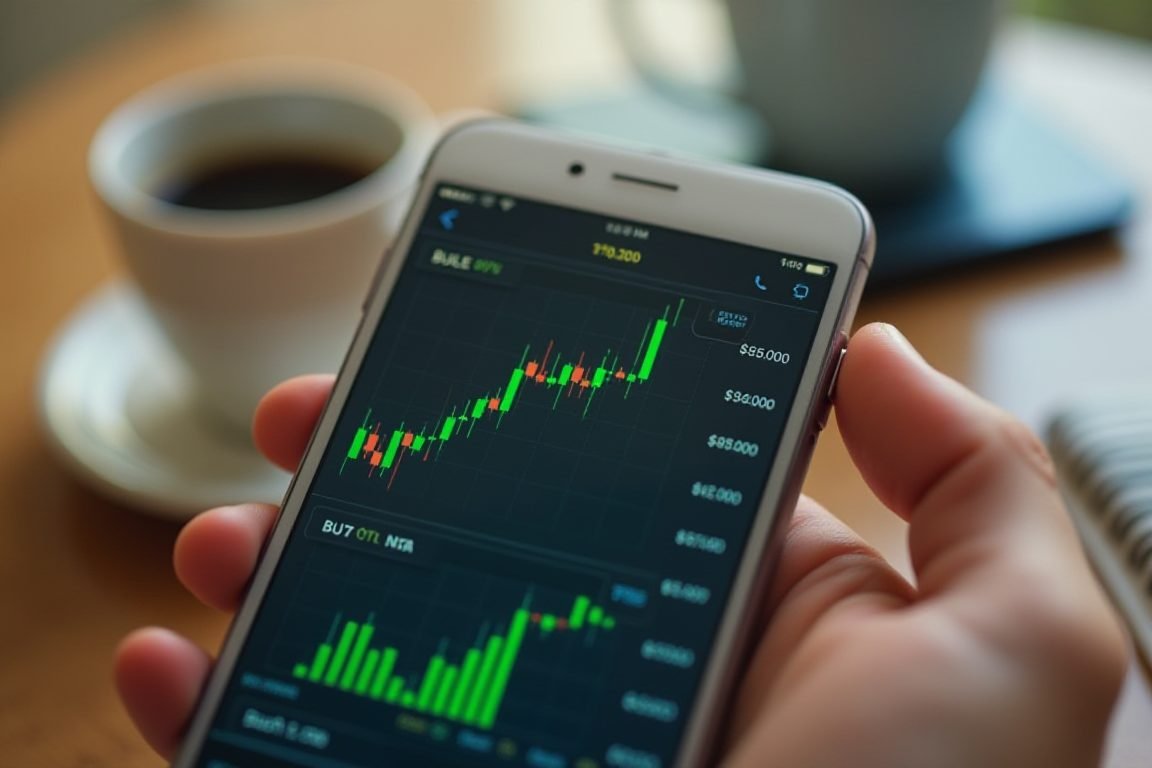
Love it or hate it, crypto survived every obituary written about it. Bitcoin ETFs made it mainstream, and institutional money isn’t leaving. When people ask me about investing 2026 strategies, I no longer dismiss crypto outright — but I treat it as a high-risk slice, not a core holding.
My personal rule: no more than 5-10% of a portfolio, and only money you can watch drop 40% without panicking. If that sentence stresses you out, skip it entirely. That’s a valid choice.
Stablecoins and tokenized assets are the quieter story here. Banks and funds are experimenting with them, and that infrastructure bet might matter more long-term than any memecoin.
Real Estate: Patience Required
Real estate got complicated. High prices, stubborn mortgage rates, and insurance costs climbing in some regions — the “just buy a house and get rich” era is on pause. But that doesn’t mean it’s dead.
REITs are the easy entry point: liquid, dividend-paying, and no 2 AM tenant calls. For hands-on investors, smaller markets with job growth still offer decent cash-flow deals if you run the numbers honestly (including taxes and vacancies).
The honest take? Don’t force a real estate purchase in 2026 just because everyone says you should. Forced deals are how landlords end up miserable.
Alternative Investments: The New Toy Box
Alternatives went mainstream. Fractional platforms now let regular people buy slices of art, farmland, private credit, even sports cards. Some of it’s genuinely interesting. Some of it’s hype with a subscription fee.
A few that I think hold real merit:
- Gold and commodities — a hedge when everything else feels wobbly
- Private credit funds — decent yields, but lock up your money
- Farmland — unglamorous, historically stable, quietly solid
The theme for investing 2026 is access — things that used to require millions now cost $50 to start. Just remember: liquidity matters more than you think until it’s the only thing that matters.
Pro Tips: Tools You’ll Actually Use
You don’t need a Wall Street setup. A few things make this whole process easier:
- Vanguard or Fidelity brokerage account — low fees, no nonsense, great index funds
- A budgeting app like YNAB or Monarch — you can’t invest what you don’t track
- A hardware wallet like Ledger Nano X — if you’re holding serious crypto, get it off exchanges
And read one real book: The Simple Path to Wealth by JL Collins. It’s the advice I’d give my cousin in book form.
So Where Would I Put $10,000?
If my cousin pressed me for a split, here it is: roughly 60% into a diversified stock index mix, 10% into a REIT fund, 5% into crypto, 10% into gold, and 15% held in a high-yield savings account as dry powder for dips.
That’s not the “right” answer — it’s a sane one. Investing 2026 rewards people who start, stay consistent, and ignore the daily noise more than it rewards people hunting the next 100x. Boring compounds. That’s the whole secret.
Frequently Asked Questions
How much money do I need to start investing in 2026?
Honestly, almost nothing. Most brokerages have zero minimums and fractional shares mean you can buy $10 of an index fund. Start small, start now.
Is crypto still worth investing in for 2026?
As a small, speculative slice — maybe. Bitcoin and Ethereum have institutional backing now, but volatility is brutal. Keep it under 10% of your portfolio and only invest what you can afford to lose.
Should I prioritize paying off debt or investing?
Kill high-interest debt (anything above ~7%) first — that’s a guaranteed return. Low-interest debt like mortgages can coexist with investing.
Are index funds still the best option for beginners?
For most people, yes. Low cost, instant diversification, and no research required. Add equal-weight or international funds if you’re worried about big-tech concentration.
What’s the biggest investing mistake to avoid in 2026?
Chasing whatever exploded last quarter. By the time an asset is all over your feed, the easy money’s gone. Boring consistency beats hype almost every time.
ชอบบทความนี้? ค้นพบสินค้าที่เกี่ยวข้องบน Shopee