
How to Choose the Right Pet for Your Lifestyle
That puppy in the window looks adorable right now. But fast forward six months, and that tiny furball needs an hour-long walk at 6:00 AM before work.
Too many people pick a pet based on looks alone, leading to stressed animals and frustrated owners. If you want to avoid this trap, you need to choose right from day one.
Getting a dog or cat is a 10 to 15-year commitment. Let’s talk about how to match a pet with your actual daily routine, not your fantasy weekend life.

Honesty Check: What Is Your Real Routine?
We all like to imagine we wake up early, go for morning runs, and cook gourmet meals. When picking a pet, you have to strip that fantasy away.
Look at your actual schedule. Do you work 10-hour shifts? Are you exhausted the second you get home? A high-energy Husky will destroy your living room if you try to keep them cooped up.
If you travel for business constantly, a needy pet just won’t work. You have to map out your hours before you can choose right.
Be realistic about your activity level. Couch potatoes make great cat parents, but terrible Border Collie owners.
Apartment Vs. House: Your Space Dictates Your Pet
Square footage matters more than you think. Great Danes can actually adapt well to tiny apartments because they sleep all day, but terriers might bounce off the walls.
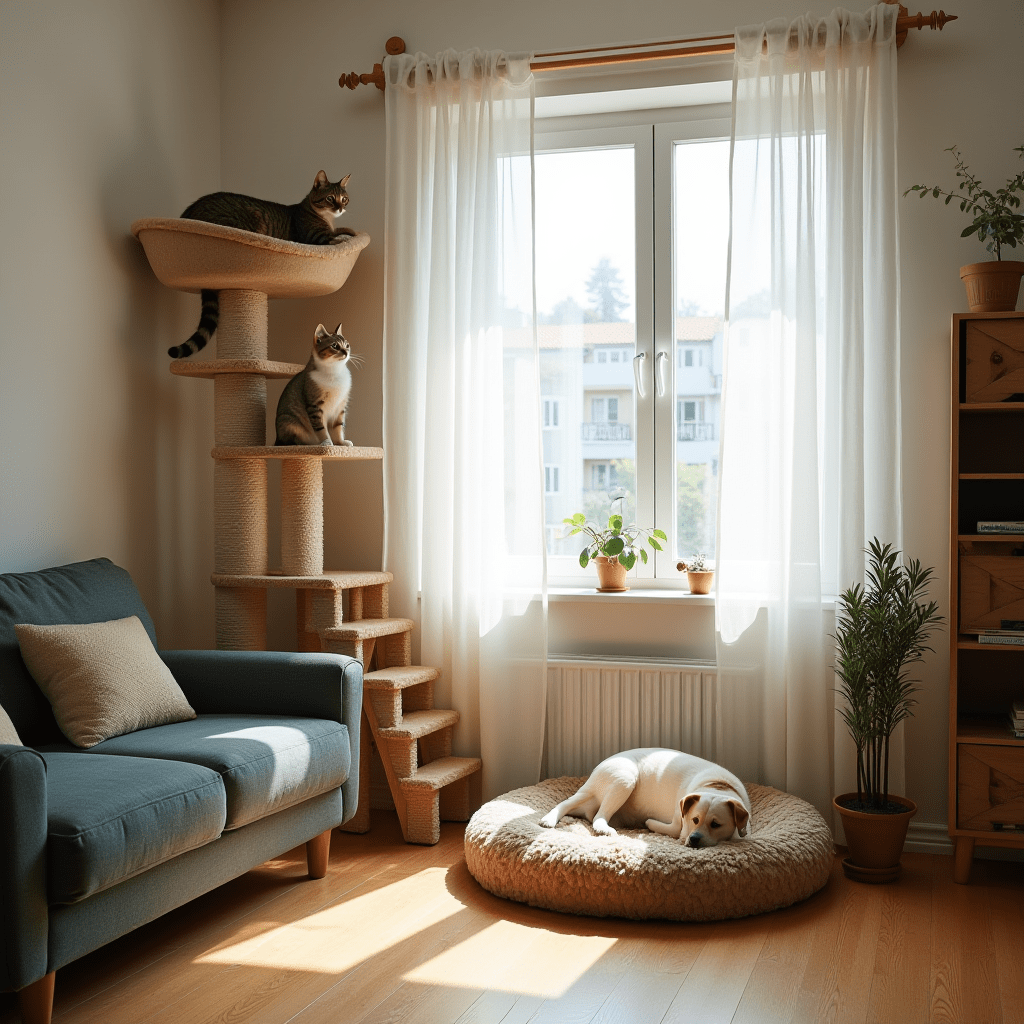
Cats need vertical territory. If you live in a cramped studio, you need to invest in tall cat trees or wall shelves to keep them happy.
Think about noise, too. Thin walls and a dog with separation anxiety will quickly make you unpopular with the neighbors.
To choose right, measure your space and think about how much of it you can dedicate to pet supplies and gear.
The Money Factor: Budgeting Beyond the Adoption Fee
The adoption fee is just the tip of the iceberg. Big dogs eat big bags of food, and big bags cost serious money.
Vet bills do not care about your budget. An emergency surgery can easily cost thousands of dollars. If you barely have enough savings to cover your own medical bills, wait until you are financially stable to get a pet.
Smaller pets generally cost less. A Guinea pig eats a fraction of what a Golden Retriever eats.
Factor in daily expenses, grooming costs, and pet insurance premiums. When you tally up these numbers, it becomes much easier to choose right based on your wallet.
Pro Tips: Gear You Actually Need
Once you bring your new companion home, having the correct setup makes the transition smooth. You do not want to be scrambling for basics at 10 PM.
- Interactive Cat Toys: Get something like the PetSafe Cheese automaton. It keeps indoor cats busy while you answer emails.
- Puzzle Feeders: Try the Outward Hound Nina Ottosson dog puzzles. They slow down fast eaters and tire out smart dog brains.
- Hands-Free Leashes: If you plan to run with your dog, grab a Tuff Pupper hands-free bungee leash. It saves your shoulders.
Having these items ready shows responsibility. It proves you took the time to choose right and prepare for their arrival.
Personality Over Breed: Meet the Animal
Rescue shelters are packed with amazing mixed-breed dogs. Do not get tunnel vision about a specific breed standard.
Meet the actual animal. A senior Pit Bull might be the sweetest, calmest couch companion you ever meet. A tiny kitten might be a hyperactive tornado.
Talk to foster parents or shelter staff. They know the pets’ true personalities behind the kennel door.
Take your time making the choice. Waiting a few extra weeks ensures you choose right and find an animal that genuinely fits your vibe.
If you work 60 hours a week, adopt an independent adult cat. If you hike every weekend and work from home, that energetic shelter dog might be your perfect trail buddy.
Pick the pet that fits your real life. The animal will thank you, and you will keep your sanity intact.
Frequently Asked Questions
How much time do I really need to spend with a pet daily?
Dogs need at least 1 to 2 hours of active walking, training, and playing every single day. Cats are more independent but still need 30 minutes of dedicated playtime to stay healthy and happy.
Is it better to adopt an older pet instead of a baby?
Adult animals are often much easier. When you adopt a mature dog or cat, you already know their adult size, energy level, and temperament. Puppies and kittens require intense training and round-the-clock supervision.
What is the most low-maintenance pet for busy workers?
Adult cats are usually the best pets for people with demanding schedules. They do not need walks, use a litter box independently, and are perfectly happy sleeping while you work long shifts.
ชอบบทความนี้? ค้นพบสินค้าที่เกี่ยวข้องบน Shopee