GLM 5.3 Built a Black Hole Gun for Minecraft — Running Locally
Minecraft clones made by AI are everywhere, and honestly, people are bored of them. The argument goes: if the game’s code has been all over the internet for years, an AI model just memorized it, so rebuilding it isn’t impressive anymore. Fair point.
So one developer flipped the script. Instead of asking an AI to copy Minecraft, they asked it to write a mod for the real game — a black hole weapon built on the official Fabric modding framework. And the model they picked? GLM 5.3 Flash, running entirely on their own rented hardware.

What Exactly Was Built?
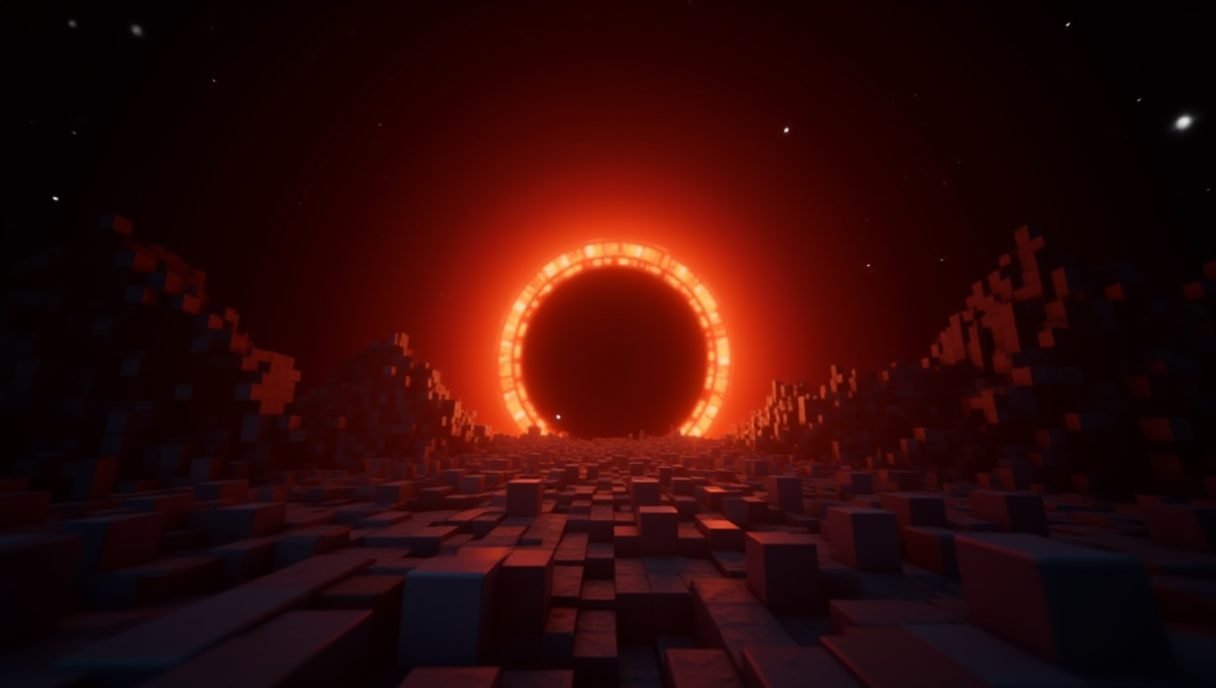
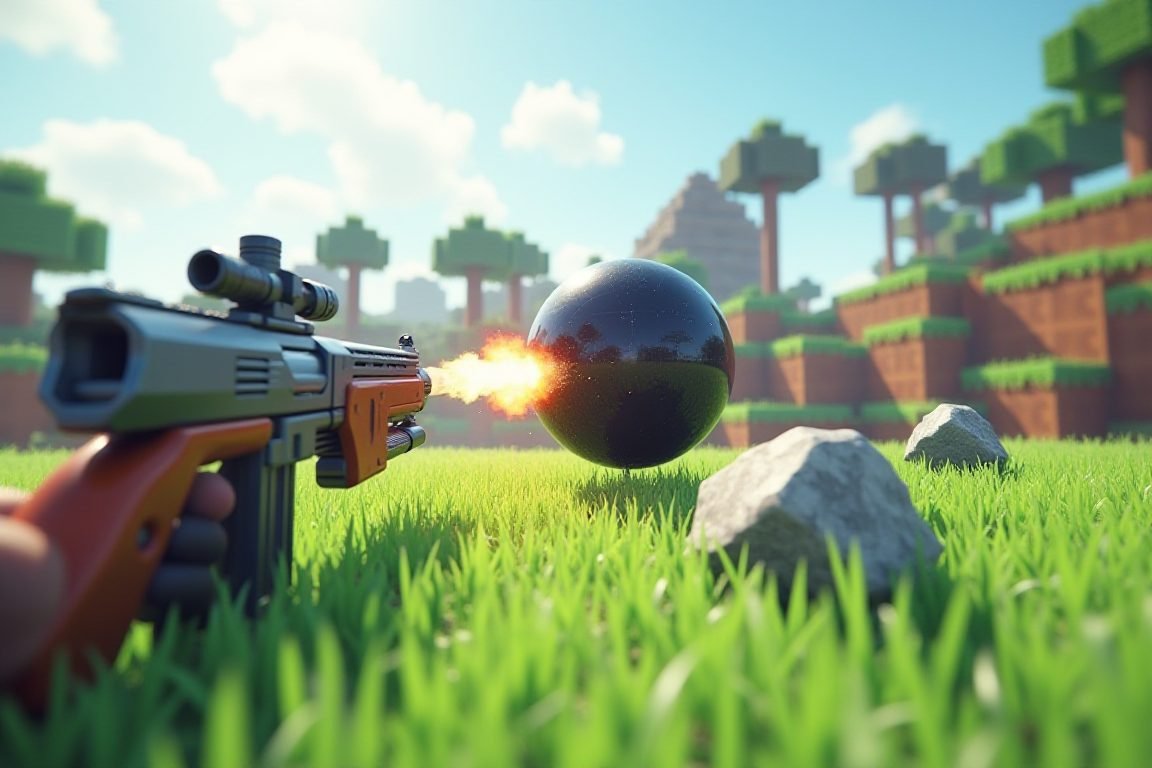
The result is a black hole rifle mod. You shoot it, a black hole spawns in the world, and it starts swallowing everything nearby. Blocks get ripped out of the terrain and pulled into the sphere. There’s also a glowing light ring around it — think of the famous real-world black hole photos, but made of pixels.
It’s not just visual fluff. The black hole actually eats the landscape and leaves real destruction behind. First attempt? Not so great. The hole spawned tiny and barely dented anything. But after feeding the model reference images — real black holes, lightning effects, game visuals — the destruction level jumped hard.
How GLM 5.3 Handled the Job
Here’s the part that matters: this wasn’t a fully automated one-shot. The developer worked with the model, like a senior coder reviewing a junior developer’s work. GLM 5.3 would write the code, the human would check it, request changes, and the loop continued until it felt right.
The final numbers tell the story:
- Output tokens: 7.6 million — that’s a mountain of generated code
- Total time: around 9 hours
- Average speed: ~96 tokens per second while writing
- First working version: about 1 hour in
The model itself ran at Q4 quantization — basically a compressed version that saves memory while keeping most of the brains intact. Think of it like a high-quality MP3 instead of the raw studio file. Good enough, way lighter to run.
The Hardware Behind It
Local models this size don’t run on a gaming laptop. The rig was a rented machine packed with 4x NVIDIA RTX PRO 6000 workstation GPUs — serious hardware built for AI workloads, not gaming. Renting a box like this by the hour is how a lot of independent developers experiment with big models without buying tens of thousands of dollars in GPUs.
Why run locally at all? Two big reasons. First, privacy and freedom — no content filters, no rate limits, no monthly API bills stacking up when you’re pushing out millions of tokens. Second, at 7.6 million tokens, a cloud API bill could get ugly fast.
Things You Need to Try This Yourself
Want to experiment with GLM 5.3 on your own projects? Here’s the realistic shopping list:
- A GPU or a rented GPU box — a single RTX 4090 or RTX PRO 6000 handles smaller quantized models; rent from services like RunPod or Vast.ai for bigger setups
- Local inference software — tools like llama.cpp or Ollama load quantized models and get you chatting in minutes
- Java and the Fabric development kit — both free, and Fabric has solid documentation for Minecraft modding beginners
You don’t need the full 4-GPU stack for smaller models or heavily compressed versions. Start small, iterate, and scale up if the project demands it.
Why This Experiment Matters
The takeaway isn’t “AI made a cool mod.” It’s that GLM 5.3 can hold a long, multi-hour development conversation and keep producing working code turn after turn. Nine hours, dozens of revisions, and it never fell apart. That’s the difference between a party trick and a genuine coding partner.
It also shows the value of the human in the loop. The model didn’t invent the black hole gun idea or judge when the visuals looked good — a person steered it. The best results came from that back-and-forth, not from typing one prompt and hoping.
FAQ
Can GLM 5.3 write Minecraft mods on its own?
Do I need 4 GPUs to run GLM 5.3 locally?
What is a Q4 quantization?
What is Fabric in Minecraft modding?
ชอบบทความนี้? ค้นพบสินค้าที่เกี่ยวข้องบน Shopee