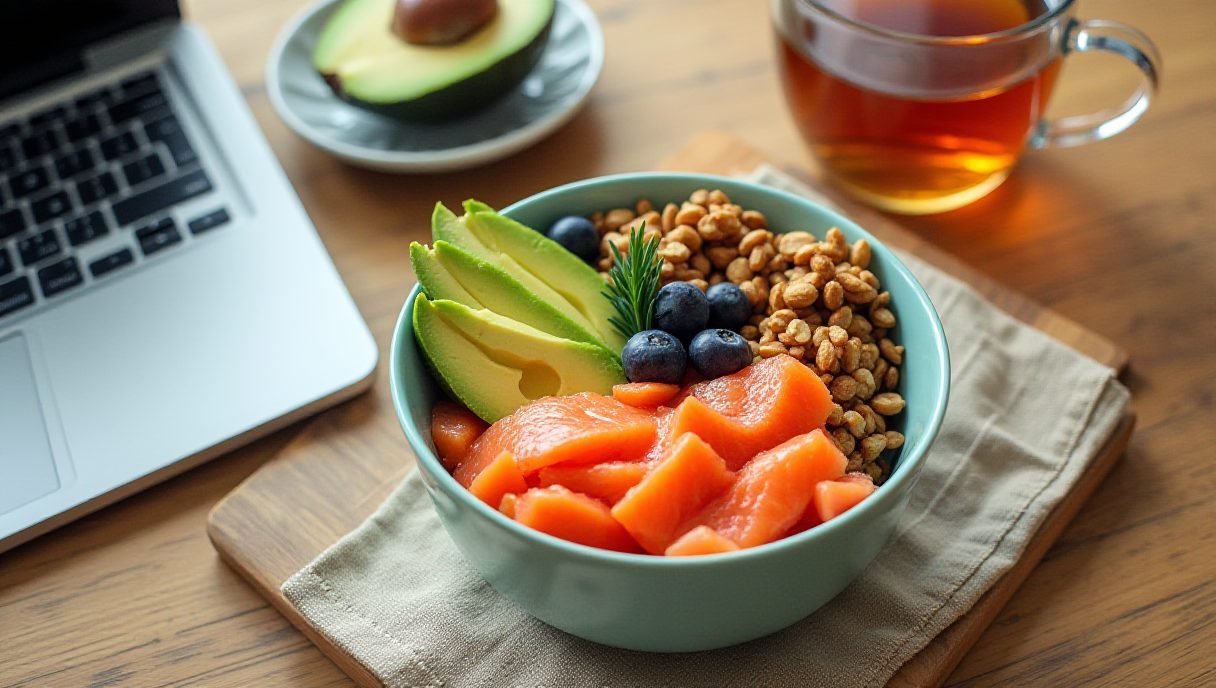
Nutrition Guide: What to Eat for Better Energy and Focus
It’s 2:47 PM. You’ve read the same email three times, and your brain feels like it’s running on dial-up. I used to blame my sleep — until I realized my lunch (white bread sandwich, chips, sweetened iced tea) was the real culprit.
Here’s the thing most people miss: what you eat matters more than how much you eat when it comes to focus. This nutrition guide: covers the evidence-based basics, so you can stop fighting your own blood sugar.
Why Your Lunch Is Sabotaging Your Afternoon
That post-lunch fog isn’t a character flaw. It’s physiology. When you eat refined carbs — white rice, sugary drinks, pastries — your blood sugar spikes, then crashes hard about 90 minutes later.
That crash triggers brain fog, irritability, and the desperate urge to nap under your desk. Studies consistently link high-glycemic meals with reduced concentration in the hours after eating.
The fix isn’t eating less. It’s eating smarter combinations: protein + fiber + healthy fat at every meal. This nutrition guide: focuses on that trio because it slows glucose absorption and keeps your energy flat and steady — no rollercoaster.
The Foods That Actually Work
Let’s get specific. These are the staples I recommend in almost every nutrition guide: I write for busy professionals.
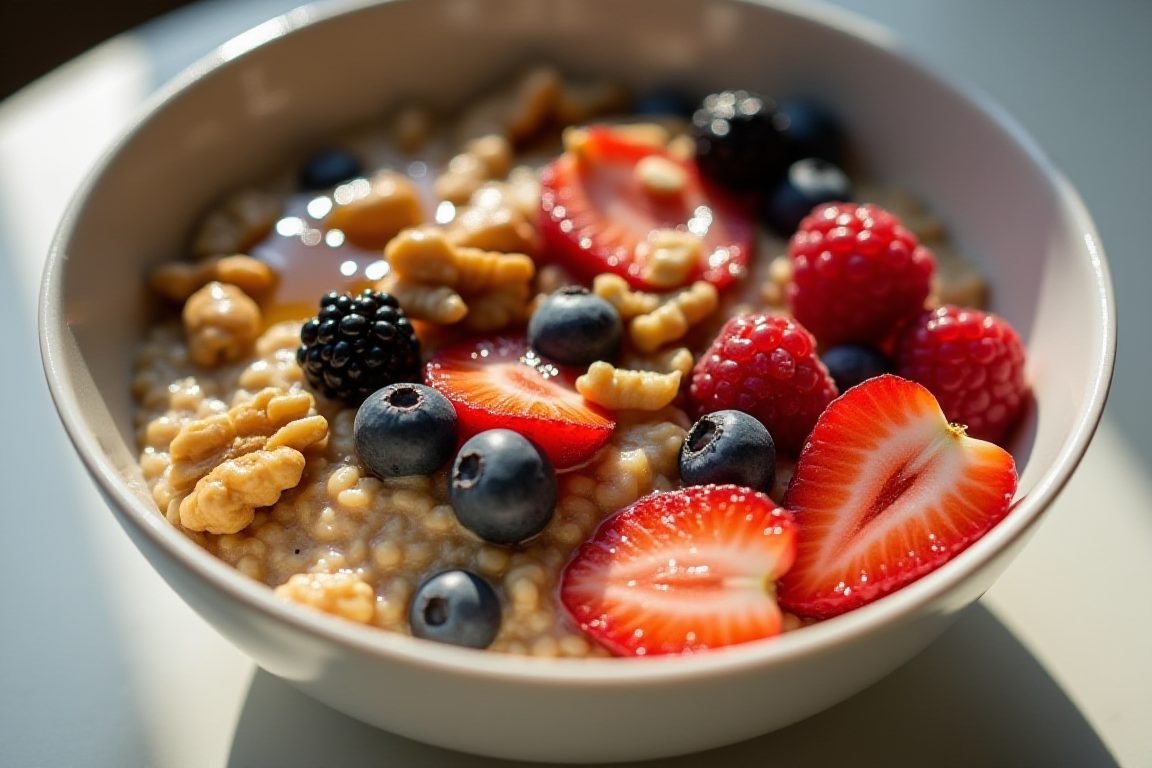
1. Oats and whole grains. Slow-digesting carbs that release glucose gradually. Steel-cut oats with nuts and berries is basically a focus breakfast.
2. Fatty fish. Salmon, sardines, and mackerel are loaded with omega-3s (DHA specifically), which your brain uses for cell membrane health. Two servings a week is the evidence-backed sweet spot.
3. Eggs. Choline-rich, cheap, and versatile. Choline is a precursor to acetylcholine — a neurotransmitter tied directly to memory and attention.
4. Blueberries and leafy greens. Both are packed with flavonoids and nitrates that improve blood flow to the brain. Research on blueberries and cognitive performance is genuinely impressive.
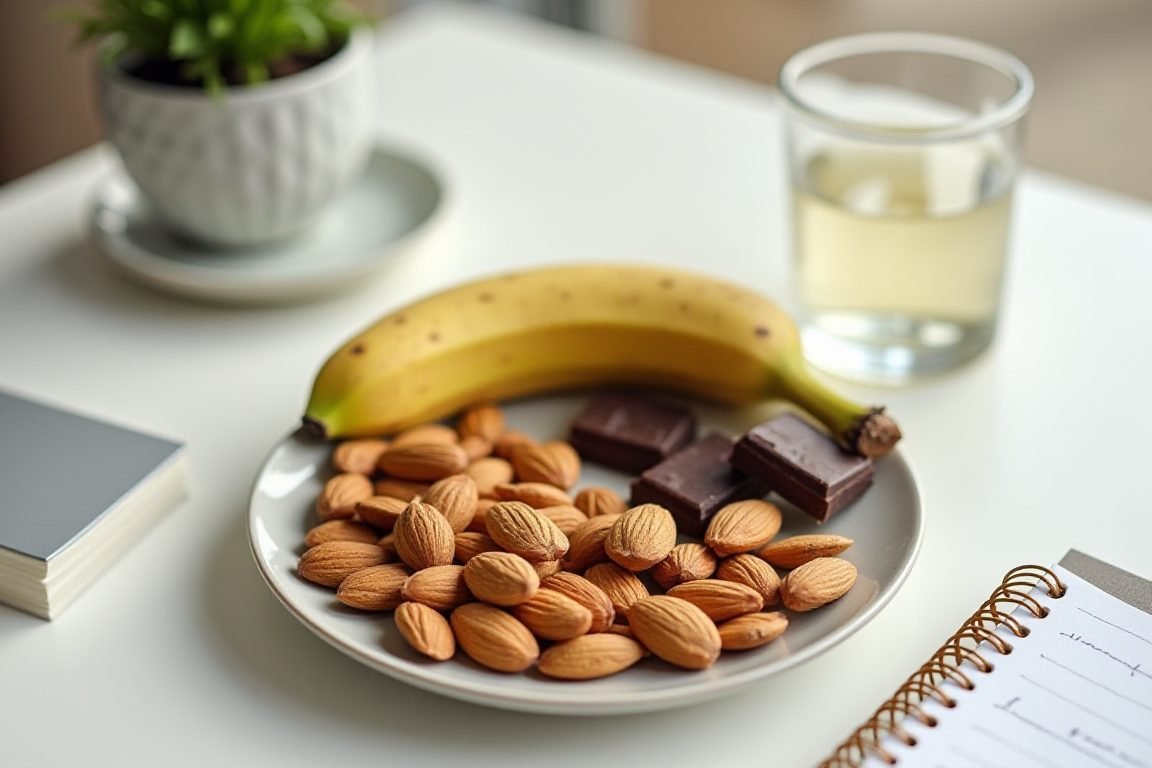
5. Nuts and seeds. A small handful of almonds or pumpkin seeds gives you magnesium, vitamin E, and stable fat-based energy.
6. Water. Boring, I know. But even mild dehydration (1–2%) measurably reduces concentration. Most afternoon slumps are partly thirst in disguise.
A Simple Day of Focus Eating
You don’t need a meal plan with 47 ingredients. Here’s a template I’ve used myself on heavy workdays:
- Breakfast: Steel-cut oats with blueberries, walnuts, and cinnamon
- Lunch: Grilled salmon or chicken, quinoa or brown rice, big pile of vegetables
- Snack: Greek yogurt, or apple slices with almond butter
- Drink: Green tea — the L-theanine plus caffeine combo gives calm, jitter-free alertness
Notice what’s missing? Soda, energy drinks, and the vending machine pastry. They give you 20 minutes of fake energy and tax you for three hours afterward.
Pro Tips: Things You Need
A few tools make eating this way way easier — especially if you work in an office:
- A good insulated lunch box — the Lock & Lock or Zojirushi bento-style containers keep meals fresh and stop you from “just grabbing” fast food
- An electric kettle or small blender — matcha or a quick spinach-berry smoothie takes two minutes and beats instant noodles
- A 1L water bottle with time markers — something like a Hydro Flask or a Motivation bottle makes hydration automatic instead of forgettable
Spend a little on prep tools and you’ll save a lot on 3 PM convenience-store runs.
FAQ
What’s the best breakfast for focus?
Something with protein, fiber, and slow carbs — like eggs on whole-grain toast or oatmeal with nuts. Skip sugary cereals; you’ll crash before your first meeting ends.
Is coffee bad for energy levels?
Not at all — 1–2 cups is fine for most people. Just avoid it after 2 PM so it doesn’t wreck your sleep, and don’t use it to mask a terrible diet. Green tea is a gentler alternative.
How do I stop the afternoon energy crash?
Build lunch around protein, fiber, and healthy fats instead of refined carbs, drink water throughout the day, and take a 10-minute walk after eating. That combo fixes it for most people within a week.
Are energy drinks ever a good option?
Honestly, no. The sugar spike and crash make focus worse afterward. If you need caffeine, coffee or tea without added sugar gives you the same boost without the hangover effect.
My honest recommendation? Don’t overhaul everything at once. Swap your lunch for one week and watch what happens to your afternoons. That single change convinced me more than any study ever could — and this nutrition guide: works best when you test it on yourself.
ชอบบทความนี้? ค้นพบสินค้าที่เกี่ยวข้องบน Shopee