Give Back Claude’s Thought Process — Paying Users Are Not Happy
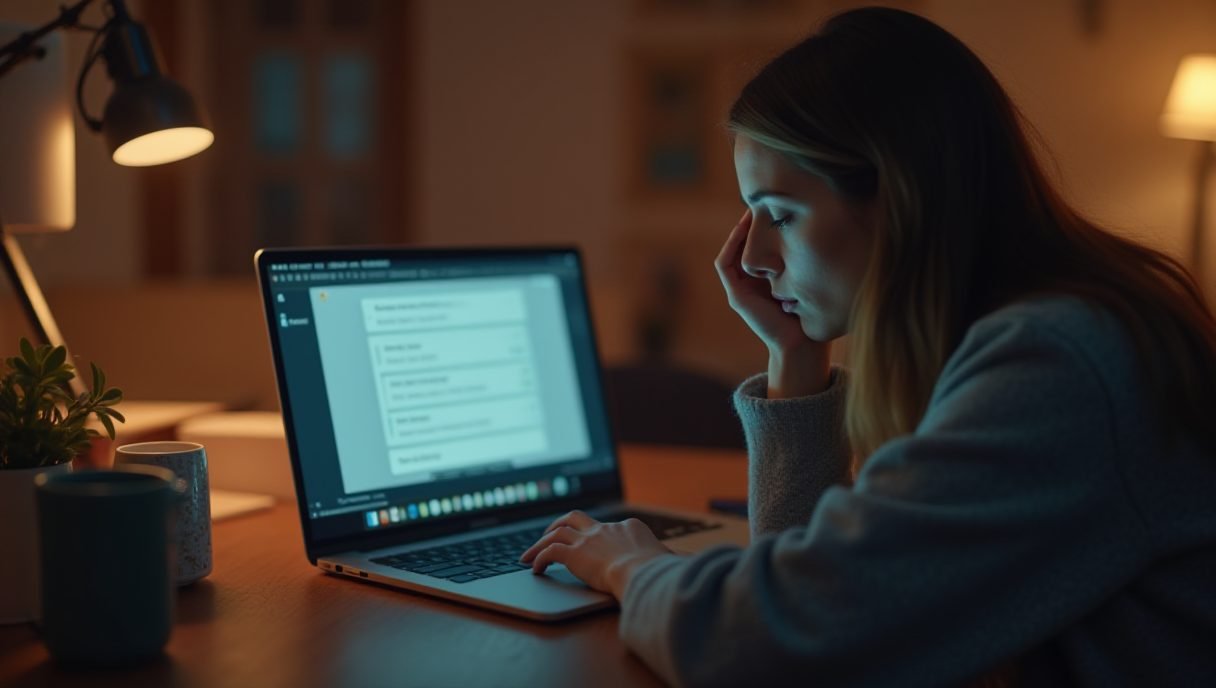
I’ve been a Claude Max subscriber for a while now, and a few weeks ago something felt off. I asked Claude a tricky question, and instead of the usual step-by-step thinking I’d scroll through before the answer, I got… nothing. Just a polished final response dropped in my lap.
At first I thought it was a bug. Then I checked Reddit and found a wave of long-time users saying the exact same thing: give back the thought process. One Max subscriber put it bluntly — removing the internal reasoning feels user-hostile and makes the output noticeably less valuable. I couldn’t agree more.
What Is the Thought Process, and Why Does It Matter?
Think of it like this: imagine hiring a math tutor who used to show every step of their work on the whiteboard, then one day they just hand you the final answer with a smile. Sure, the answer might be right. But how would you know where they went wrong if it wasn’t?
That visible reasoning was doing real work. It let you catch the moment Claude misunderstood your question — before you burned through more messages trying to fix a problem you couldn’t see. Reading Claude’s thinking was like proofreading a draft instead of signing a contract blind.
For paying users on the Max plan, this isn’t a small cosmetic change. It’s like paying for a full meal and getting only the dessert. The thinking was part of what we were buying.
So Why Did It Disappear?
Nobody outside Anthropic knows for sure, but the community has two main theories:
- Legal caution: showing raw reasoning might expose things lawyers would rather keep behind closed doors.
- Distillation fears: competitors could copy Claude’s reasoning style by scraping those visible thinking steps and training their own models on it.
Both theories make business sense. The problem is that neither of them benefits us, the people actually paying the subscription every month. If the reasoning still happens behind the scenes anyway, hiding it from users just feels like a downgrade dressed up as an update.
And honestly, the UI now has a gaping hole where the reasoning used to be. It looks unfinished — like a shop that removed its display window and left an empty frame.
Why This Hurts More Than You’d Expect
Here’s the practical side that casual users might miss. When Claude’s reasoning was visible, you could spot a flawed assumption in seconds and rewrite your prompt once. Without it, you only discover the mistake after the answer comes out wrong — which means more back-and-forth, more wasted tokens, and more of your usage quota gone.
It’s a trust thing too. I found myself double-checking Claude’s answers far more often once I couldn’t see how it got there. The thought process wasn’t clutter. It was the receipt.
Things You Need While We Wait
If you’re working around the missing reasoning, a few tools make life easier:
- A prompt journal (or a simple Notion/Obsidian setup) — track what you asked and what came back, so flawed answers are easier to trace.
- Grammarly or another checker — for final review when you can’t verify Claude’s logic yourself.
- A backup chatbot subscription — some rivals still show reasoning, useful for cross-checking important answers.
FAQ
Why did Claude stop showing its thought process?
Is the reasoning still happening behind the scenes?
Does hidden reasoning cost me more money?
Can I ask Claude to show its steps in the answer?
Will Anthropic give back the thought process?
My honest take? If enough subscribers keep saying it, Anthropic may give back at least a partial view of the reasoning. Until then, keep your prompts sharp and your expectations calibrated. The answer might be polished — but you’re signing without reading the working anymore.
ชอบบทความนี้? ค้นพบสินค้าที่เกี่ยวข้องบน Shopee