
The Future of AI Assistants: What to Expect Next
Last Tuesday I asked an AI to plan a trip, draft an apology email, and debug my Python script — all before my coffee went cold. Two years ago, none of that would’ve worked. That’s the pace we’re living with.
So where does this go from here? The future assistants: smarter, faster, and woven into everything you touch. Let’s break down what’s actually coming — not the sci-fi version, the real one.
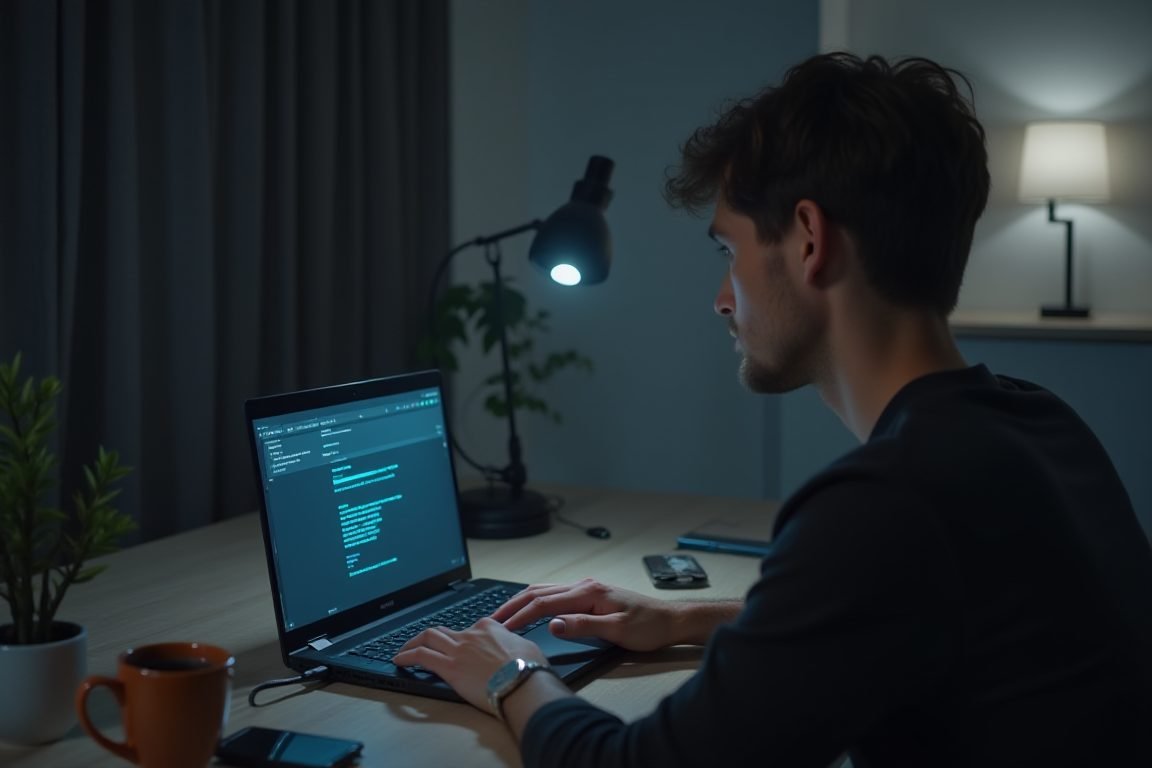
From Chatbots to Actual Coworkers
The first generation of AI assistants were basically fancy autocomplete. You typed, they guessed, you sighed. The models powering them now — like Gemini and the GPT family — can reason through multi-step problems, remember context across long conversations, and use tools on their behalf.
The shift that matters is agency. Instead of “write me an email,” it’s becoming “handle my inbox until lunch.” That’s a different beast entirely. The future assistants: less typing, more delegating.
I’ve already caught myself saying “thanks” to mine. That’s how natural this has become.
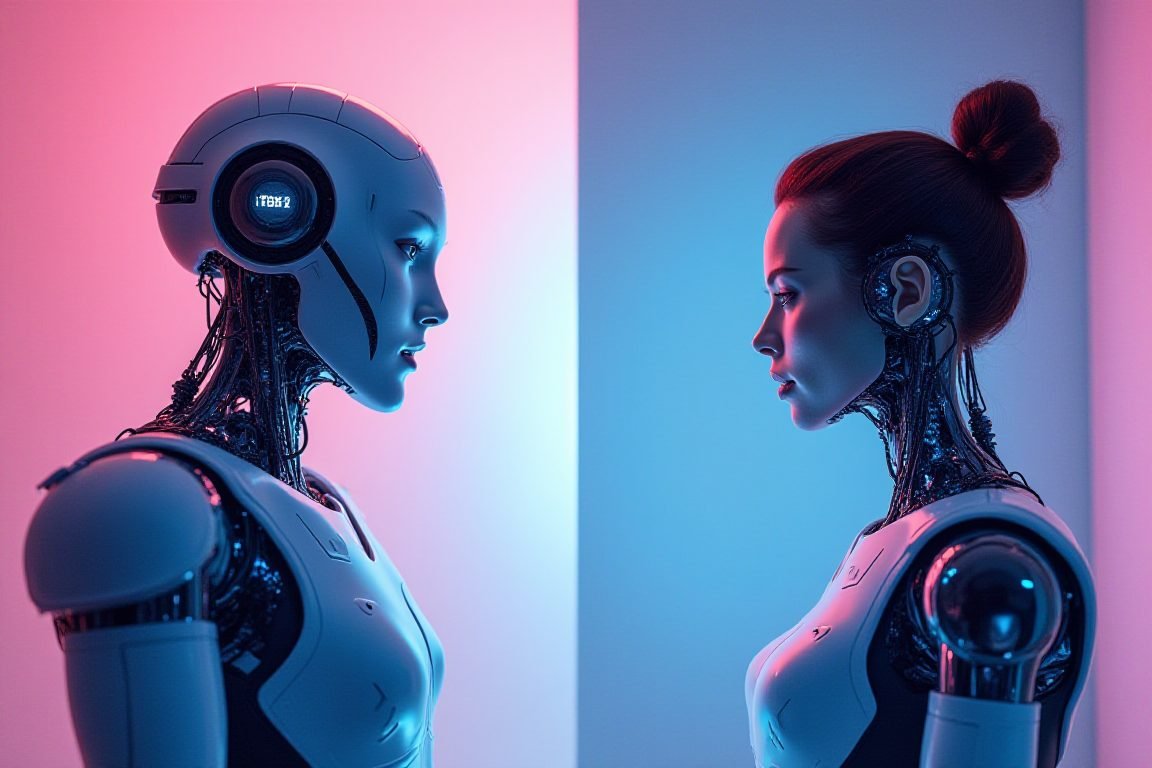
What GPT-5, Gemini, and Friends Are Chasing
Every major lab is racing toward the same three goals:
- Longer memory — assistants that remember your preferences, projects, and past conversations for months, not minutes
- Real tool use — booking flights, editing spreadsheets, running code without hand-holding
- Multimodal everything — show it a photo of your broken faucet and it walks you through the fix
Gemini’s deep integration with Google Workspace is a preview: imagine your assistant sitting inside your calendar, docs, and email simultaneously. OpenAI is pushing the same direction with GPT-5’s improved reasoning and fewer dumb mistakes.
The future assistants: ones that don’t just answer questions but anticipate them.
Things You Need to Get Ahead of the Curve
You don’t need to be a developer to benefit. Here’s what I’d recommend:
- ChatGPT Plus or Google One AI Premium — paid tiers get the newest models first, and the gap is real
- A decent microphone or headset (like an Anker PowerConf or AirPods) — voice is becoming the main interface, and your laptop mic is holding you back
- A second monitor — trust me, once your assistant is drafting while you edit, screen real estate becomes gold
Small upgrades, big difference. I use a Logitech MX Master daily and it pays for itself when you’re bouncing between AI tools and real work.
What This Means for Your Productivity
Here’s my honest take: AI won’t replace you, but a person using AI well will outpace one who isn’t. The math is simple. Tasks that took an hour now take ten minutes.
The risk is becoming a copy-paste middleman. Don’t just accept outputs — edit them, push back, teach the assistant your standards. The people thriving right now treat these tools like talented interns: capable, but needing direction.
And watch for the next wave — assistants that work while you sleep, queueing up research and drafts for your morning. That’s not speculation; early versions already exist.
Frequently Asked Questions
Will AI assistants replace my job?
Is GPT-5 actually that different from GPT-4?
Are free AI assistants good enough?
What’s the biggest risk with future AI assistants?
My Honest Recommendation
Pick one assistant and go deep. Learn its quirks, build your prompts, make it yours. The future assistants: not a tool you occasionally open, but a teammate you work alongside — and the best time to build that habit was yesterday.
Start small. Automate one annoying task this week. You’ll be surprised how fast it snowballs.
ชอบบทความนี้? ค้นพบสินค้าที่เกี่ยวข้องบน Shopee