Nutrition Guide: What to Eat for Better Energy and Focus
We have all been there. It hits 2:00 PM, your eyelids feel heavy, and reading that next email feels like running a marathon.
You grab another coffee, but an hour later, you crash even harder. If you want sustained energy, you need to rethink your fuel.
Think of this as your ultimate nutrition guide: a no-nonsense approach to eating for all-day focus.
Debugging a complex problem—like untangling a massive 4300-digit bug in CPython—requires absolute mental clarity. You cannot afford brain fog when the pressure is on.
Your brain runs on what you feed it. If you give it junk, you get jittery, fleeting energy followed by a steep drop.
But if you give it the right nutrients, you stay sharp. Let us dig into the exact foods that keep you locked in.
The Problem with Sugar and Simple Carbs
Why do we crash after a massive plate of pasta or a sugary pastry? It all comes down to blood sugar spikes.
Simple carbohydrates digest incredibly fast. They shoot your blood glucose straight up, giving you a quick burst of false energy.
Your body responds by pumping out a huge wave of insulin to clear that sugar. That sudden drop leaves you exhausted, cranky, and reaching for another snack.
If you want stable energy, you have to ditch the refined carbs. This is the first rule in any solid nutrition guide: keep your blood sugar steady.
Instead of white bread or sweet cereals, reach for complex carbohydrates. Foods like sweet potatoes, black beans, and thick-cut oats break down slowly.
They drip-feed glucose into your system. You get a steady stream of fuel that lasts for hours, not minutes.
Top Foods for Sustained Workday Energy
So, what exactly should you put on your plate? You need foods packed with fiber, healthy fats, and clean protein.
Fiber slows down digestion, while fats and protein keep you full. When you combine these three macros, you create meals that power your brain without the crash.
Here is a quick list of staples you should keep at your desk or in your fridge:
- Walnuts and Almonds: A handful gives you omega-3s and protein.
- Blueberries: Packed with antioxidants that protect your brain from stress.
- Avocado: Load up on monounsaturated fats for healthy blood flow.
- Green Tea: Contains L-theanine, which gives you calm, focused energy.
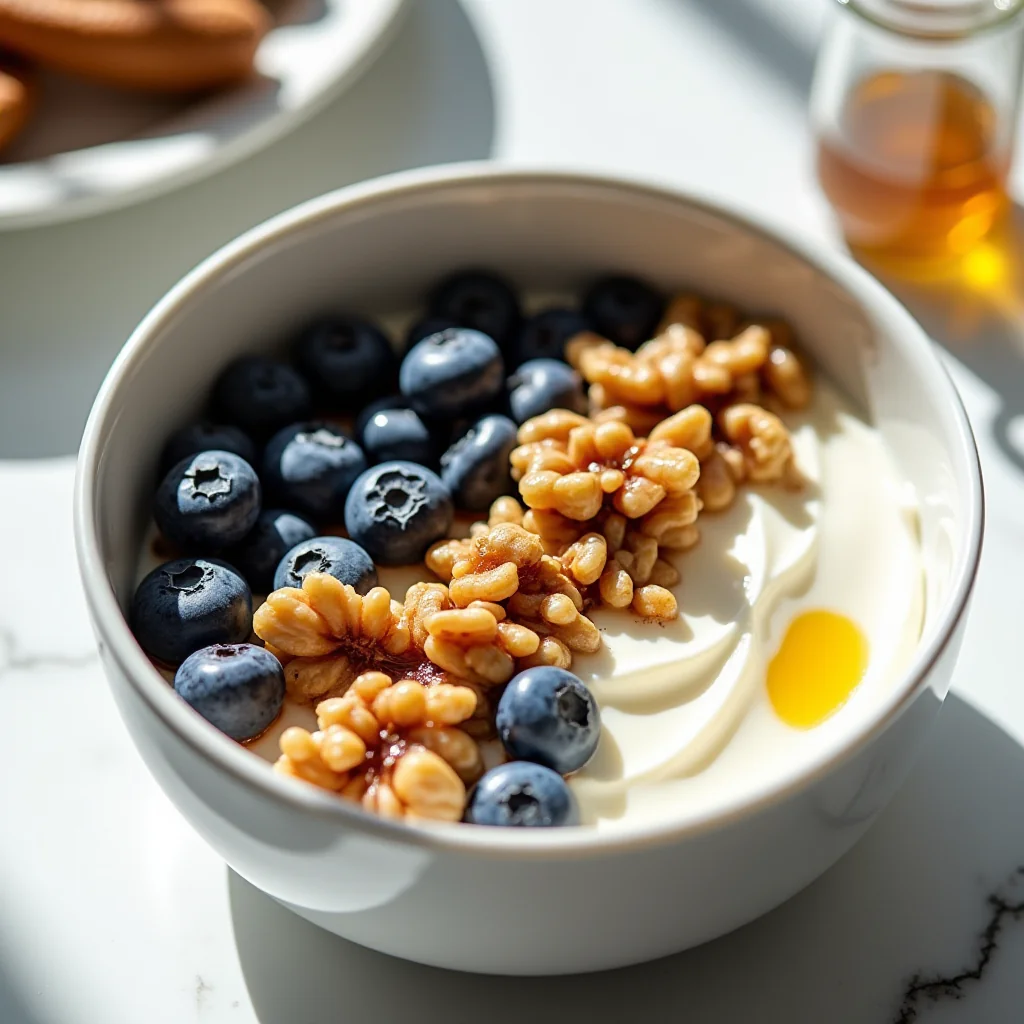
When I swapped my morning bagel for Greek yogurt with berries and nuts, my afternoon focus skyrocketed. I stopped needing a 3 PM caffeine hit just to function.
Let this nutrition guide: remind you that small swaps yield massive results over time.
Things You Need to Build Better Snacks
You cannot out-work a bad diet, but having the right gear makes eating well much easier.
If you want to stick to your healthy habits, keeping the right tools on hand is a game changer.
Here are a few things I keep in my kitchen to make meal prep effortless:
- Clear Glass Meal Prep Containers: You will eat what you see. Glass keeps your food fresh longer than plastic.
- Insulated Water Bottle (like a Hydro Flask or Yeti): Dehydration causes fatigue. Cold water all day keeps you drinking.
- Black Sesame Tahini or Almond Butter: Stir a spoonful into your oats for lasting satiety.
Having these items ready removes the friction. When you are hungry, you just grab the good stuff.
Another vital point in this nutrition guide: hydration. Your brain shrinks when you are dehydrated, causing headaches and terrible focus.
Keep a massive bottle of water next to your keyboard. Drink from it constantly throughout the day.
How to Structure Your Eating Schedule
Timing matters just as much as food quality. You need a system that works with your body, not against it.
Start with a high-protein breakfast within an hour of waking up. This sets your metabolic rate for the entire day.
Skip the juice. Eat the whole fruit instead so you get the skin and the fiber.
For lunch, keep it light but filling. A heavy, greasy meal will pull blood to your gut and away from your brain.
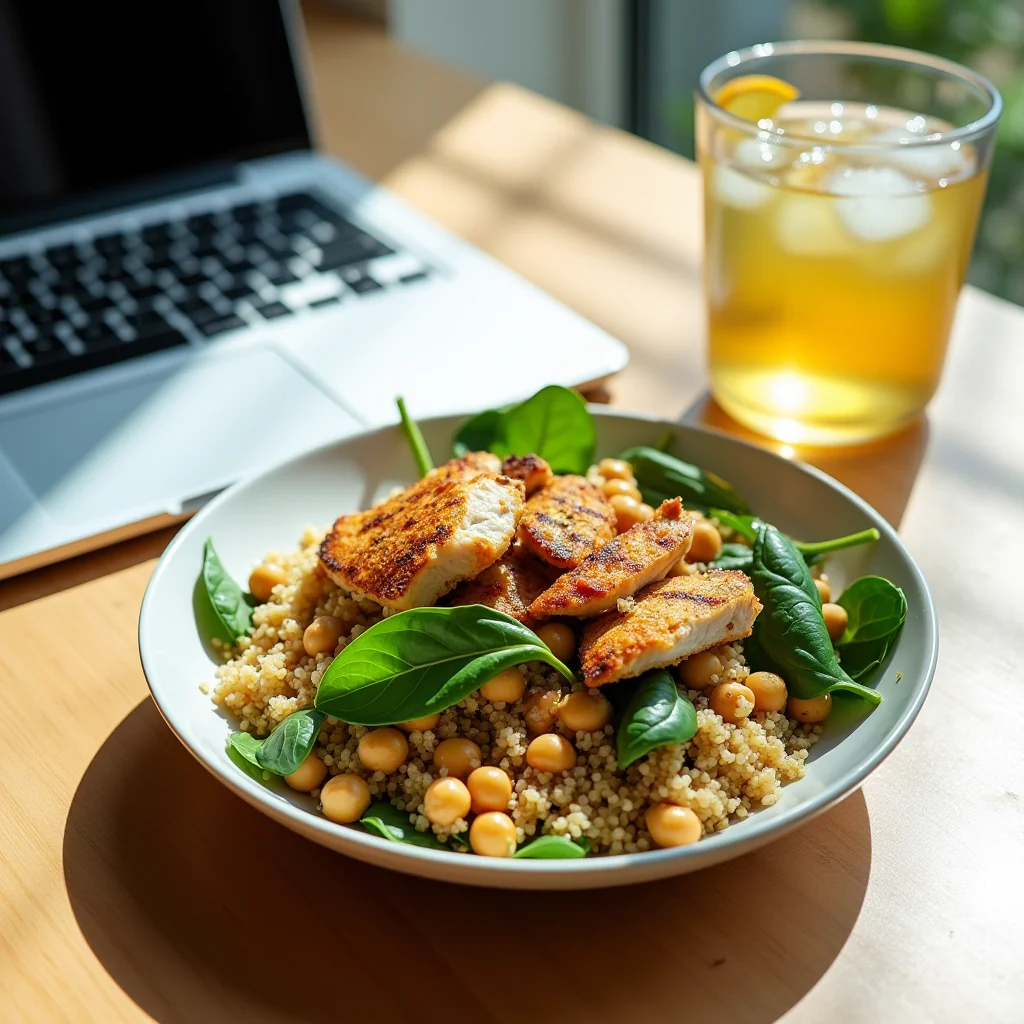
I eat a giant salad topped with leftover chicken or chickpeas. You want to avoid that heavy feeling.
Following this simple nutrition guide: framework stops you from experiencing those dreaded afternoon slumps entirely.
Frequently Asked Questions
Will fasting ruin my morning focus?
Not necessarily. Many people thrive on skipping breakfast, but you still need to hydrate. If you fast, break it with a high-protein, low-sugar meal so you do not crash later.
Is coffee bad for my energy levels?
Coffee is fine, but timing matters. Try to delay your first cup for 90 minutes after you wake up. This prevents the afternoon caffeine crash and protects your natural cortisol rhythm.
What is the absolute best afternoon snack for focus?
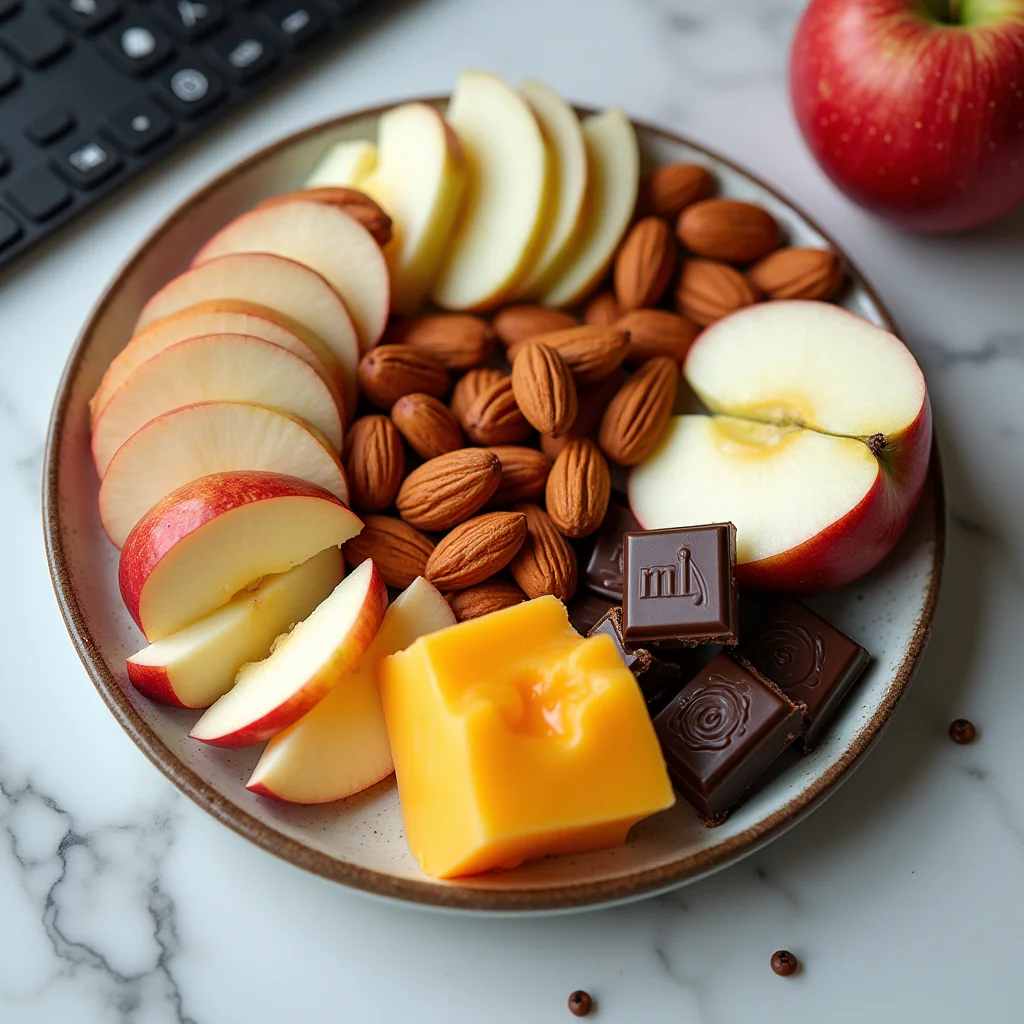
Grab an apple with a tablespoon of peanut butter. The fruit gives you natural sugar, and the fat gives you long-lasting mental stamina.
Can I still eat carbs?
Absolutely. Your brain runs on glucose, so you need them. Just choose complex carbs like oats and sweet potatoes over refined white flour.
How long until I notice better energy?
You will likely feel a difference in just two or three days. Once your blood sugar stabilizes, your brain fog clears up remarkably fast.
Eating well is not about perfection. It is about giving your body the right tools so you can do your best work.
ชอบบทความนี้? ค้นพบสินค้าที่เกี่ยวข้องบน Shopee