
Fuel Your Focus: Smart Nutrition for Energy
Ever hit that infamous 3 PM slump? Your eyes glaze over, your brain feels foggy, and suddenly that spreadsheet looks like hieroglyphics. You’re not alone. The constant demands of work and life can drain us, but what if I told you the secret to sustained energy and sharper focus isn’t another cup of coffee, but rather what’s on your plate?
This isn’t about restrictive diets or trendy fads. It’s about a practical, evidence-based nutrition guide: designed to help you fuel your body and mind effectively. We’ll explore simple, powerful shifts you can make to banish the afternoon slump for good and keep your brain firing on all cylinders.
Stable Blood Sugar: Your Secret Weapon
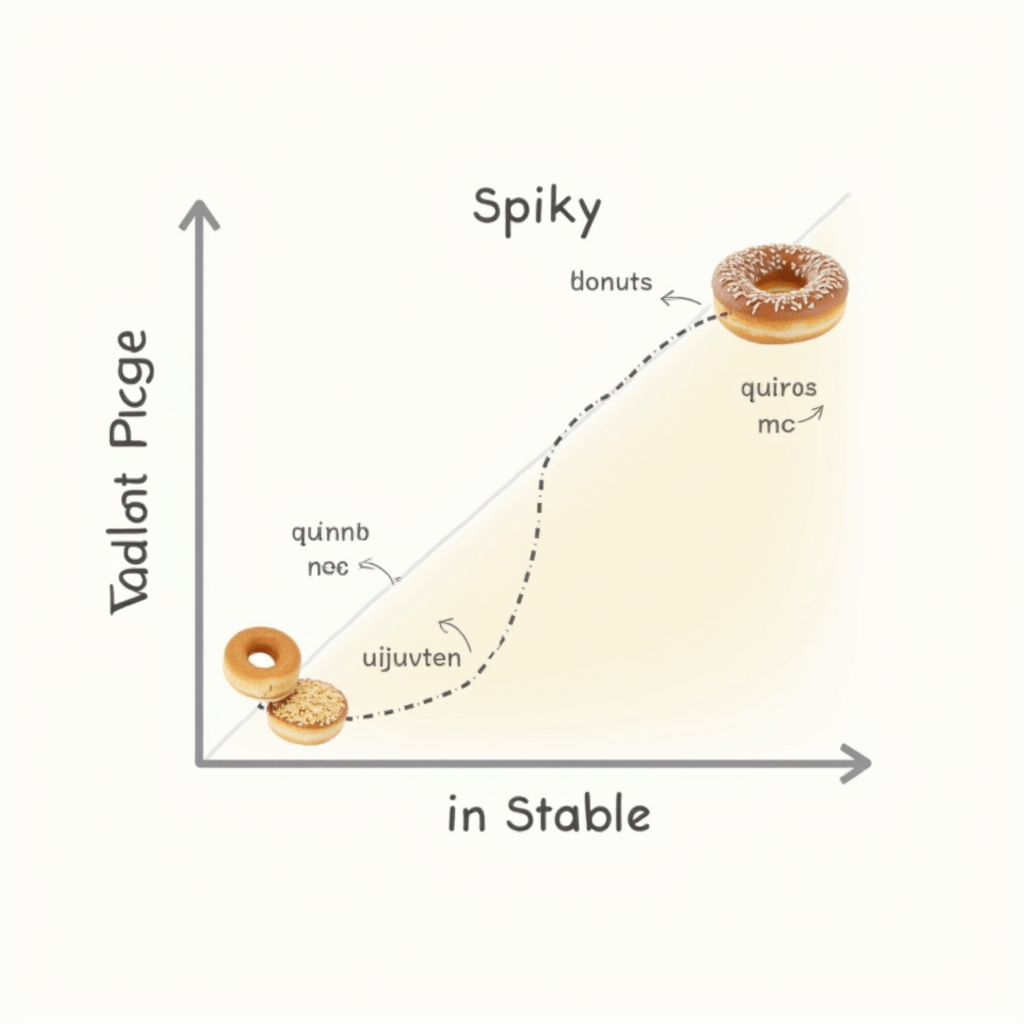
The biggest culprit behind energy crashes? Wild blood sugar swings. When you eat refined sugars or simple carbs, your blood sugar spikes, then plummets. This rollercoaster ride leaves you feeling exhausted, irritable, and unable to concentrate. Imagine trying to drive a car with a constantly sputtering engine – that’s your body on unstable blood sugar.
The goal is to keep things steady. This means choosing foods that release glucose slowly into your bloodstream. Think complex carbohydrates paired with protein and healthy fats. This powerful trio works together to provide a continuous, gentle stream of energy, avoiding those dreaded peaks and valleys.
Power-Packed Plates: What to Eat for Optimal Performance
Building an energy-boosting meal is easier than you think. It’s all about making smart swaps and understanding which foods truly nourish you. Let’s break down the essential components of an effective nutrition guide: for sustained focus.
Smart Carbs for Brain Fuel
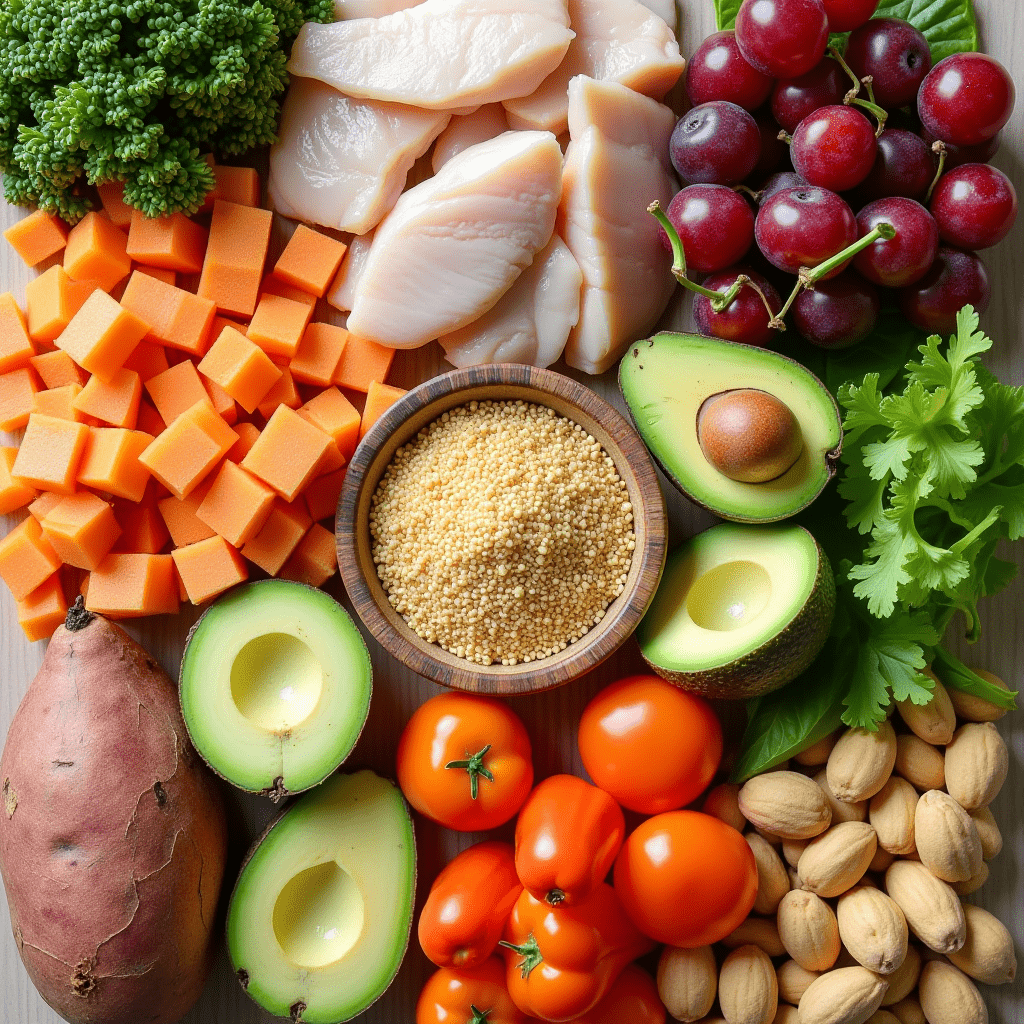
Forget white bread and sugary cereals. Your brain thrives on glucose, but it prefers a steady supply. Opt for complex carbohydrates like **oats, quinoa, brown rice, sweet potatoes, and whole-grain bread**. These are packed with fiber, which slows down sugar absorption and keeps you feeling full and energized longer.
Lean Proteins for Staying Power
Protein is crucial for building and repairing tissues, but it also plays a massive role in satiety and blood sugar control. Include lean sources like **chicken breast, fish (salmon, tuna), eggs, lentils, beans, and Greek yogurt** in every meal. They help balance out carbohydrates and prevent hunger pangs that can derail your focus.
Healthy Fats: Brain’s Best Friend
Don’t fear fats! Healthy fats are vital for brain health and overall energy. They’re also incredibly satiating. Incorporate sources like **avocado, nuts (almonds, walnuts), seeds (chia, flax), and olive oil** into your daily routine. These fats provide sustained energy and support cognitive function.
Vibrant Fruits & Veggies: Micronutrient Powerhouses
These are your body’s unsung heroes. Loaded with vitamins, minerals, and antioxidants, fruits and vegetables protect your cells from damage and support countless bodily functions, including energy production. Aim for a rainbow of colors daily; think **leafy greens, berries, bell peppers, and broccoli**. This nutrition guide: emphasizes variety.
Hydration and Micronutrients: The Overlooked Essentials
Sometimes, simply being dehydrated can mimic the feeling of fatigue and reduce your cognitive sharpness. It’s often the first thing we neglect, but adequate water intake is absolutely foundational for energy and focus. Your brain is largely water, and even mild dehydration can impair concentration and mood.
Beyond water, certain micronutrients play a direct role in energy metabolism. **B vitamins** (found in whole grains, meat, eggs, leafy greens) are essential for converting food into energy. **Magnesium** (dark leafy greens, nuts, seeds, whole grains) is crucial for nerve and muscle function, and its deficiency can lead to fatigue. A comprehensive nutrition guide: always includes these elements.
Your Daily Energy Strategy: Making It Happen
Knowing what to eat is one thing; consistently eating it is another. Here are some actionable tips to integrate this nutrition guide: into your busy life:
- Meal Prep Power: Dedicate an hour or two on the weekend to prep ingredients or full meals. Having healthy options ready means you’re less likely to grab something quick and unhealthy when hunger strikes.
- Smart Snacking: Keep healthy snacks on hand to bridge the gap between meals and maintain steady blood sugar. Think a handful of almonds, an apple with peanut butter, or Greek yogurt.
- Mindful Eating: Pay attention to your body’s hunger and fullness cues. Eating slowly and without distraction can improve digestion and prevent overeating, which often leads to a sluggish feeling.
Tools for Your Energy Journey
To make healthy eating easier, a few simple items can be game-changers:
- High-Quality Stainless Steel Water Bottle: Keep it by your side all day. An insulated bottle (like a Hydro Flask or Stanley) keeps water cold, making it more appealing to sip throughout the day.
- Durable Glass Meal Prep Containers: For easy storage and reheating of your prepped meals. Brands like Pyrex or Bentgo offer great options that are oven-safe and microwave-friendly.
- Nut-Based Energy Bars: For those days you’re truly on the go, a selection of healthy, low-sugar, nut-based energy bars (like KIND Bars or RXBARs) can be a lifesaver. Keep a few in your bag for emergencies.
Adopting this nutrition guide: for better energy and focus is a journey, not a destination. Small, consistent changes add up to big results. You’ll likely find yourself feeling more vibrant, productive, and clear-headed. Your food choices truly are your fuel for life.
Frequently Asked Questions
Can coffee really help my focus?
Yes, caffeine can temporarily boost alertness and focus. However, relying too heavily on it can lead to jitters, anxiety, and eventual crashes. Focus on consistent whole foods first, and use coffee as a moderate boost when needed.
What’s a good breakfast for sustained energy?
Aim for a balance of complex carbs, protein, and healthy fats. Think oatmeal with berries and nuts, a whole-grain toast with avocado and an egg, or Greek yogurt with fruit and chia seeds.
Are energy drinks a good idea for focus?
Generally, no. Most energy drinks contain excessive sugar and stimulants, leading to sharp peaks and crashes, and potentially adverse health effects. Stick to natural energy from whole foods and water.
How quickly will I feel a difference after changing my diet?
Some people notice improvements in energy and focus within a few days or a week, especially when cutting out processed foods and increasing whole foods and water. Consistency is key for long-term benefits.
What if I’m always tired even with good food choices?
If persistent fatigue continues despite a healthy diet and lifestyle, it’s wise to consult a doctor. There could be underlying medical conditions, nutrient deficiencies, or sleep issues that need professional attention.
ชอบบทความนี้? ค้นพบสินค้าที่เกี่ยวข้องบน Shopee