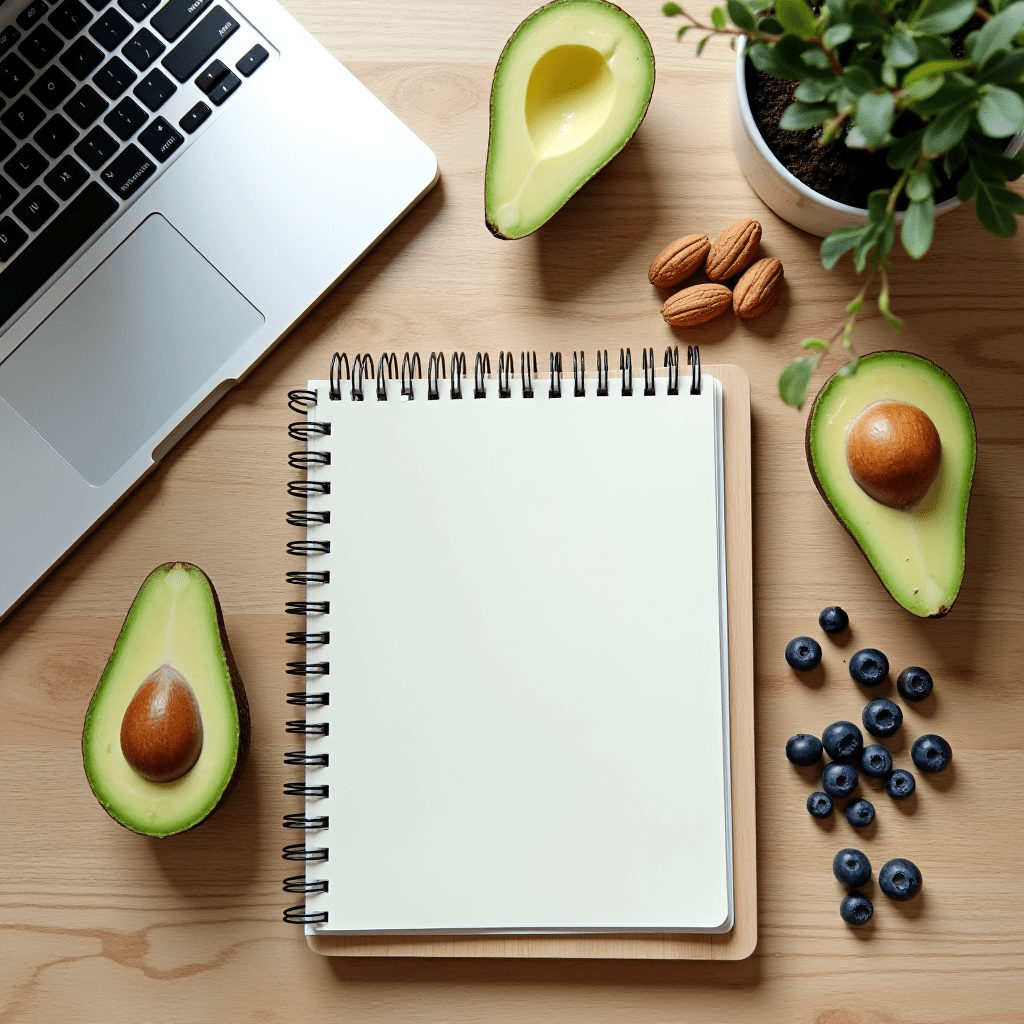
Workday Energy Nutrition Guide
That familiar 2 PM wall hits hard. Your eyelids get heavy, your brain feels foggy, and the only thing keeping you awake is sheer willpower. I used to reach for another cup of coffee or a sugary snack, but that always made things worse.
What you really need is a solid nutrition guide: to fix your fuel source and keep your focus sharp.
Why Coffee and Muffins Betray You
We’ve all been there. You grab a pastry and a latte on the way to the office, feeling unstoppable for about an hour. Then, the crash comes.
Simple carbs spike your blood sugar fast. Your body responds by pumping out insulin, causing your energy to plummet shortly after.
Relying on caffeine for energy is a losing game too. It masks exhaustion without giving your brain the actual substrates it needs to function. This nutrition guide: focuses on feeding your brain, not just tricking it into staying awake.
There’s also the cortisol trap. When you crash, your stress hormones spike, making you crave more sugar. You end up on a blood sugar rollercoaster that destroys your productivity by 3 PM.

The Building Blocks of Sustained Energy
Your brain runs on glucose, but it needs a slow, steady stream of it. You get this from complex carbohydrates paired with protein and healthy fats.
Fiber is your best friend here. Foods like oats, lentils, and sweet potatoes break down slowly. They prevent the wild spikes that ruin your focus.
Healthy fats literally build your brain. Omega-3s found in salmon, chia seeds, and walnuts reduce inflammation and support cognitive function. I keep a bag of walnuts at my desk at all times now.
Any good nutrition guide: will tell you to prioritize protein as well. Eggs, chicken, and tofu provide amino acids that your body uses to make neurotransmitters like dopamine. These chemicals keep you motivated and alert.
Don’t ignore micronutrients either. B-vitamins help convert your food into usable energy, while magnesium keeps your nervous system calm. You can find both in dark leafy greens and pumpkin seeds.
How to Build a Focus-Boosting Meal
You don’t need to count calories to get this right. Just follow a simple formula on your plate.
Step 1: Pick your base. Fill half your plate with non-starchy vegetables or a moderate portion of complex carbs like brown rice.
Step 2: Add your protein. Aim for a palm-sized portion of chicken, fish, eggs, or a plant-based alternative.
Step 3: Sprinkle in healthy fats. Add half an avocado, a drizzle of olive oil, or a tablespoon of hemp seeds.
Using a nutrition guide: helps you stop guessing and start building meals that actually work. You stop buying processed junk and start looking for whole foods that naturally fit this template.
Pro Tips: Things You Need
Putting these concepts into practice requires a little prep. You don’t need fancy gadgets, but having the right tools makes sticking to the plan way easier.
- Insulated Lunch Bag: A good cooler bag, like the Carhartt Deluxe Dual Compartment Lunchbox, keeps your fresh food safe until noon. No more settling for vending machine junk when your fridge meal goes bad.
- Quality Blender: Smoothies are the easiest way to get a nutrient-dense breakfast when you’re rushing out the door. The Ninja Professional Plus Blender handles frozen berries and spinach without choking.
- Desk Snack Containers: Glass meal prep containers with snap lids prevent messy spills in your bag. They also stop you from accidentally eating three servings of almonds in one sitting because you can portion them out at home.
How to Structure Your Workday Meals
Breakfast sets the tone. Skip the sugary cereal and opt for two scrambled eggs with spinach and a slice of whole-grain toast instead. You’ll feel full longer and avoid the mid-morning slump.
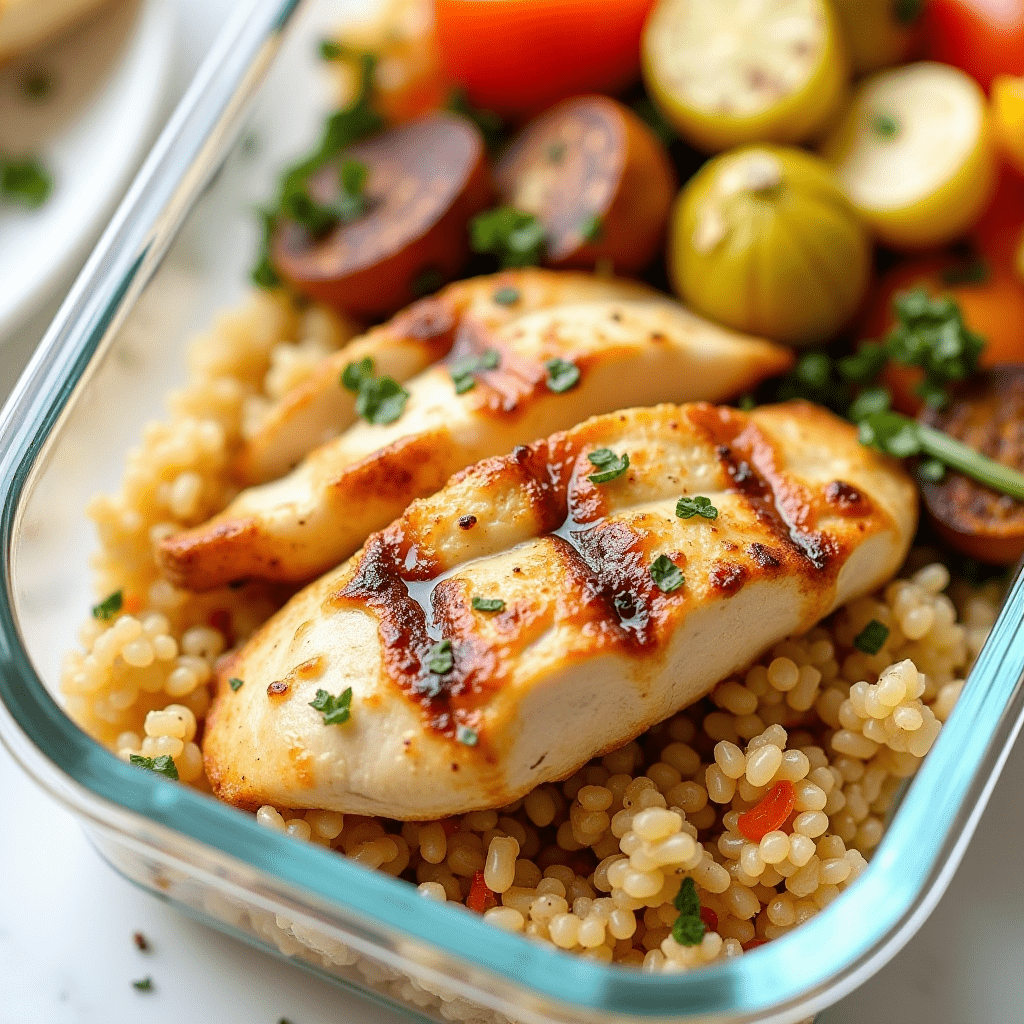
Lunch should be filling but not heavy. A grain bowl with quinoa, roasted vegetables, and grilled chicken gives you steady fuel without the food coma. This is where following a practical nutrition guide: really pays off in your afternoon productivity.
Snacks are meant to bridge the gap, not replace meals. An apple with a tablespoon of peanut butter, or a small handful of mixed seeds, does the trick perfectly.
Hydration is equally critical. Mild dehydration mimics the feeling of brain fog. Keep a water bottle on your desk and sip constantly. I drink at least 16 ounces before my first meeting.
Frequently Asked Questions
ชอบบทความนี้? ค้นพบสินค้าที่เกี่ยวข้องบน Shopee