YouTube Will Now Flag Your AI Videos Without You Doing Anything
I was scrolling through my feed last week when I noticed something new under a video thumbnail: a small label reading “Altered or synthetic content.” The creator hadn’t mentioned it. Nothing in the description either. That’s when it hit me — youtube automatically tagged that video as AI-generated.
This isn’t a pilot program or a limited test. It’s happening right now, and it’s changing how we consume content on the platform. Let me break down what’s going on and why you should care.
How the Automatic Detection Actually Works
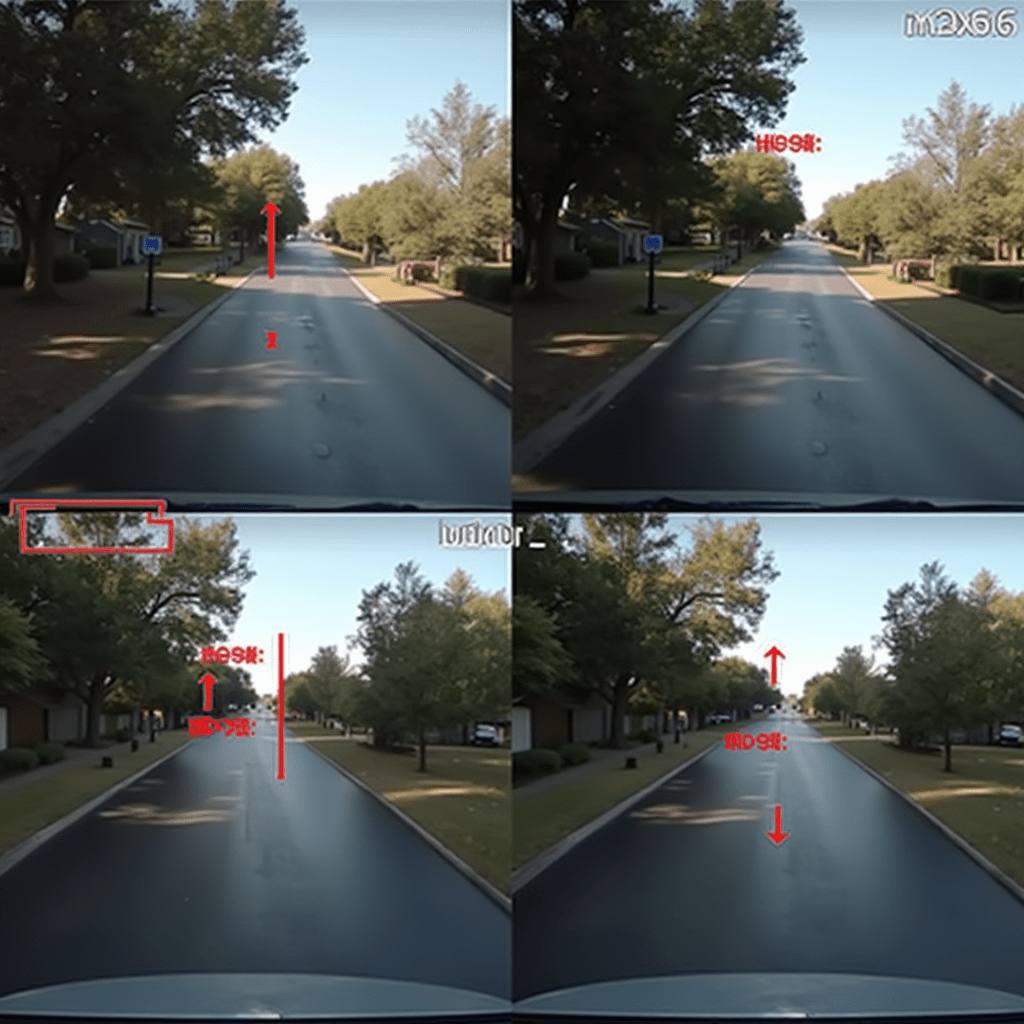
YouTube built an internal system that scans uploaded content and compares it against known AI generation patterns. Think of it like copyright detection, but instead of matching audio fingerprints, it’s looking for the subtle tells that come from tools like Sora, Runway, or Midjourney video outputs.
The system doesn’t catch everything yet. But from what I’ve seen, it’s getting scary good at spotting synthetic faces, unnatural motion patterns, and those weird artifact glitches that AI video still can’t fully shake.
When youtube automatically detects these signals, it slaps on a label. The creator gets notified, but the label goes live regardless of whether they agree or not.
What This Means for Regular Creators
If you’re using AI tools as part of your workflow — maybe generating B-roll, creating thumbnail art, or experimenting with voice cloning — this changes your upload routine. You no longer get to decide whether to disclose. The platform decides for you.
Some creators I’ve talked to are frustrated. They feel like youtube automatically undermining their creative process by spotlighting the AI involvement, even when the tool was just one small step in a larger production.
Others see it as a relief. No more stressing about whether you forgot to check the disclosure box. The system handles it, and you move on.
Why YouTube Is Pushing Hard on This
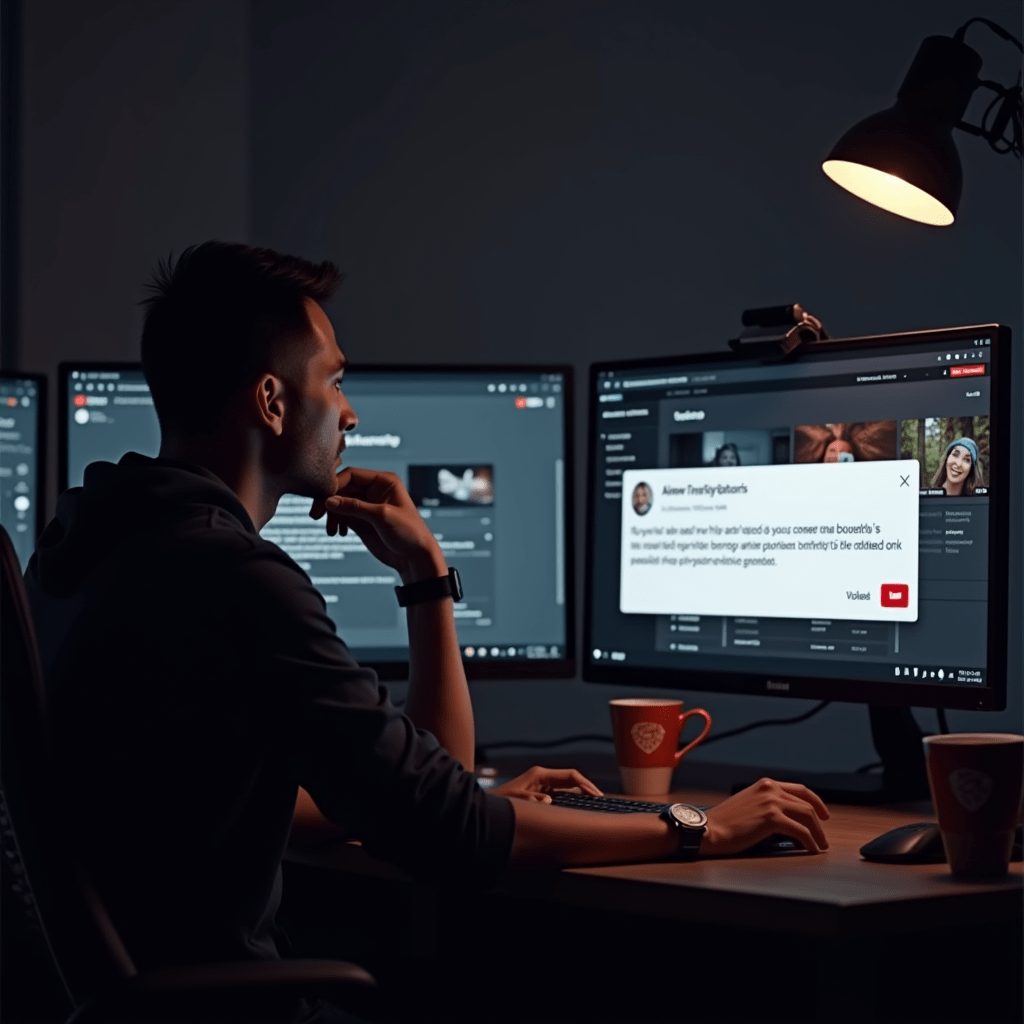
Pressure is coming from everywhere. Regulators in the EU and US have been demanding better transparency around synthetic media. Advertisers don’t want their brands showing up next to undetected deepfakes. And viewers are losing trust in what they see on screen.
YouTube’s bet is simple: label everything upfront, and you avoid the backlash later. If youtube automatically tags content, the platform can point to that system when critics ask what it’s doing about the AI flood.
There’s also a competitive angle. TikTok and Meta are rolling out their own labeling systems. Nobody wants to be the platform that got caught looking the other way.
Pro Tips: Tools to Stay Ahead of the Curve
If you’re working with AI-generated content and want to stay clean, here are a few things worth having in your toolkit:
- Adobe Premiere Pro — Its built-in Content Credentials system lets you attach metadata to your exports that declares what tools were used. YouTube reads this metadata, which can make the labeling process smoother and more accurate.
- Runway Gen-3 — If you’re generating video, using a tool that outputs with proper provenance metadata means youtube automatically gets the signal it needs without guessing. Less friction, fewer false flags.
- ElevenLabs — For AI voice work, their platform includes disclosure settings that travel with your audio files. Pair this with a proper manual label and you’re covered on both fronts.
The pattern here is clear: tools that build transparency into the file itself are going to work better with YouTube’s detection system than ones that don’t.
The Bigger Picture: Where This All Heads Next
Right now, the labels are informational. They don’t tank your reach or trigger demonetization on their own. But I’d be shocked if that stays the case forever.
We’re heading toward a tiered system. Light AI use gets a small label. Heavy synthetic content gets a bigger one. Fully AI-generated channels might end up in a separate recommendation bucket altogether. When youtube automatically categorizes your content, it gains the power to filter it too.
My honest take? Start building your audience on the strength of your ideas, not the novelty of your tools. The labels are only going to get more visible, and viewers will develop their own filters for what they trust.
Frequently Asked Questions
The automatic labeling shift isn’t about punishing anyone. It’s about YouTube protecting itself while the rules around AI content get written in real time. My advice? Disclose everything, use tools with built-in provenance, and focus on making stuff worth watching regardless of how it was produced.
ชอบบทความนี้? ค้นพบสินค้าที่เกี่ยวข้องบน Shopee