Nutrition Guide: What to Eat for Better Energy and Focus
That 2 PM slump hits different when you’re staring at a spreadsheet. One minute you’re cranking through tasks, and the next you’re debating whether a third coffee will help or just make you jittery. I used to ride that rollercoaster every single day until I overhauled what I put on my plate.
This isn’t about strict diets or counting calories. Consider this your practical nutrition guide: simple, evidence-backed food choices that keep your brain sharp and your energy steady from your first meeting to your last.
Why Your Current “Energy” Might Be the Problem
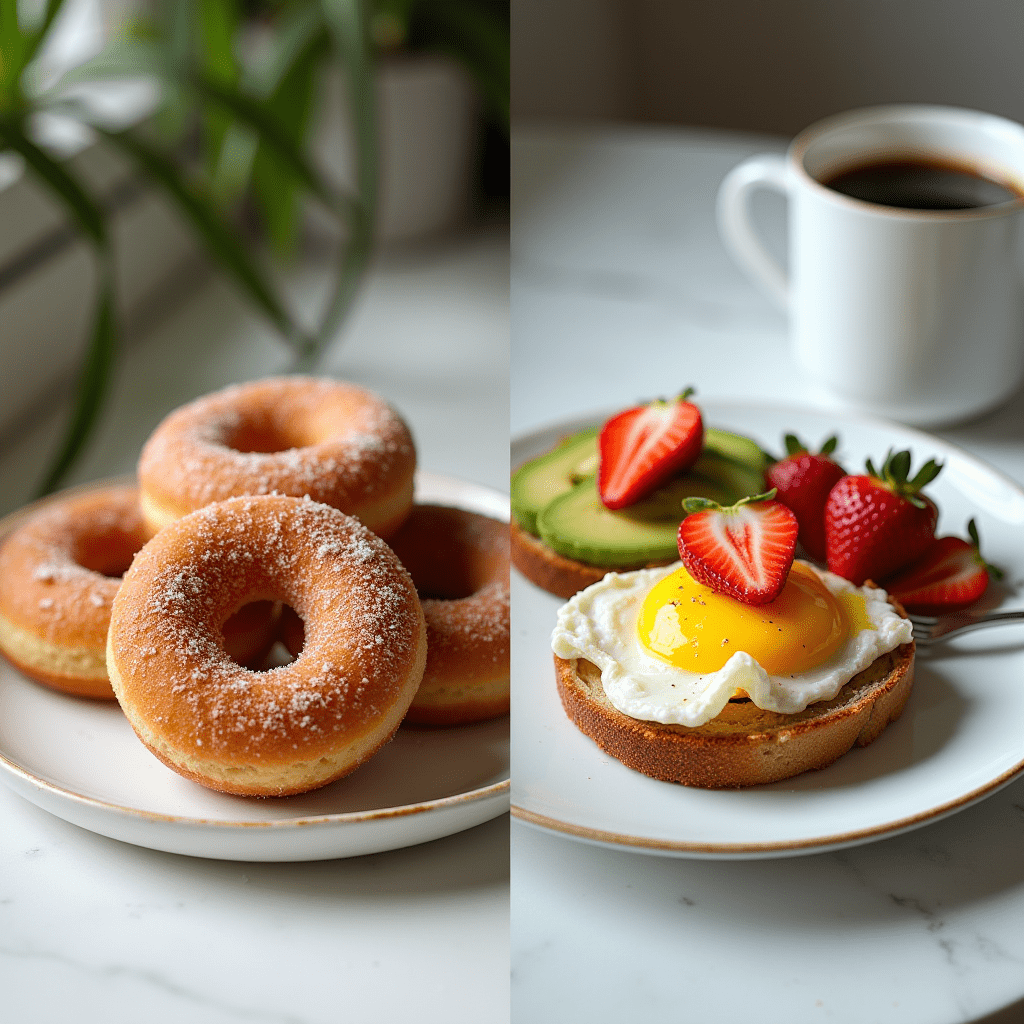
Most of us reach for quick fixes. A donut at 9 AM, a sugary latte at 11, maybe a granola bar around 3. These foods spike your blood sugar fast, but what goes up must come crashing down. That crash? That’s your brain begging for real fuel.
Your brain runs on glucose, but it wants a slow, steady stream—not a firehose. When you eat simple carbs and refined sugars, you get a spike followed by a sharp drop. The result is foggy thinking, irritability, and that heavy-lidded feeling no amount of willpower can fight.
A solid nutrition guide: starts with understanding this basic mechanism. Once you get it, everything else clicks into place.
The Big Three: Protein, Fat, and Fiber
Every meal should have these three components working together. They’re the trifecta that slows digestion, stabilizes blood sugar, and keeps you full longer. Skip one, and you’ll feel it within an hour.
Protein provides amino acids your brain uses to make neurotransmitters like dopamine and serotonin. These chemicals dictate your focus, mood, and motivation. Eggs, Greek yogurt, chicken, tofu, and fish are all solid picks.
Healthy fats are literally what your brain cells are made of. Omega-3s from salmon, walnuts, and chia seeds reduce inflammation and support cognitive function. I keep a bag of walnuts at my desk—easier than scrolling through delivery menus.
Fiber from vegetables, legumes, and whole grains acts like a speed bump for sugar absorption. It turns a rush-hour flood into a controlled drip. Oatmeal with flaxseed beats a bagel every single time.
What a Focused Workday Actually Looks Like
Let me walk you through how I eat now. Breakfast is usually two scrambled eggs with spinach and a slice of whole-grain toast with avocado. That combo keeps me locked in until lunch without even thinking about snacks.
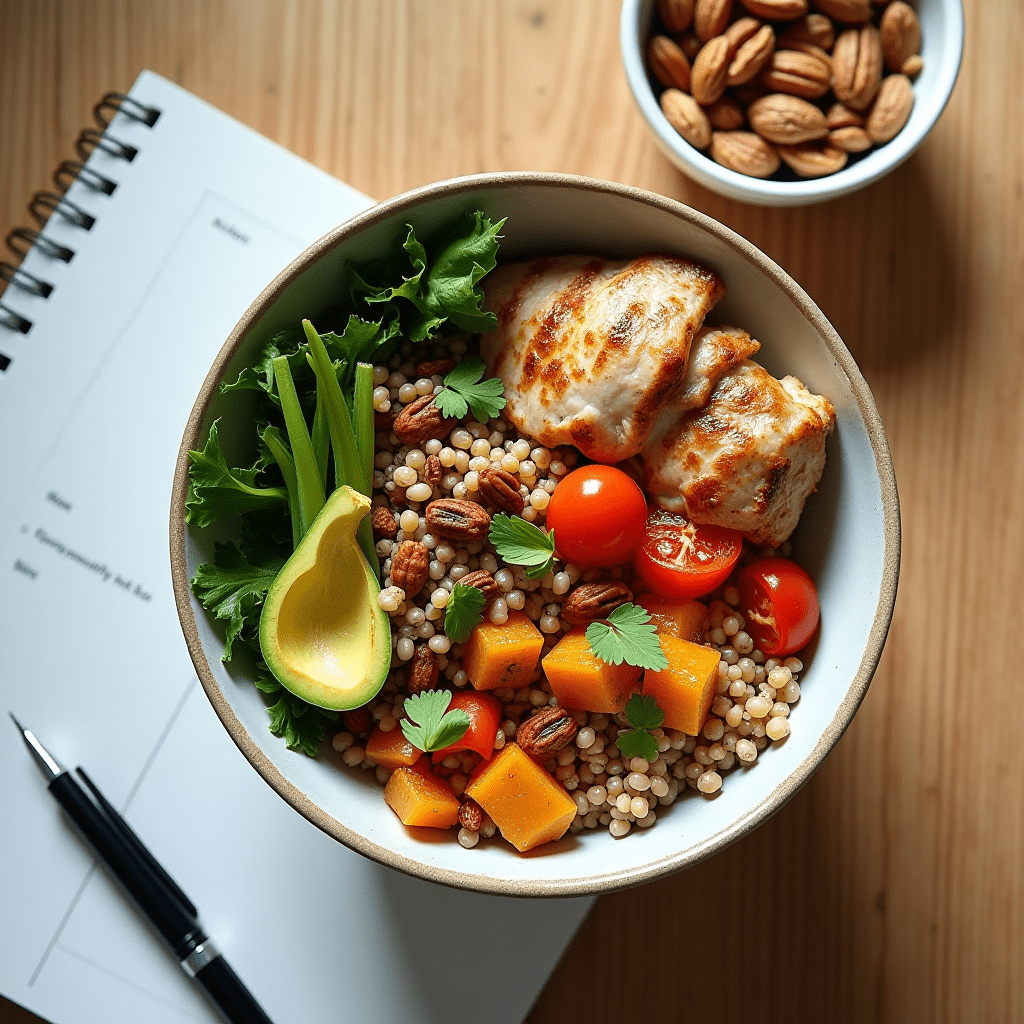
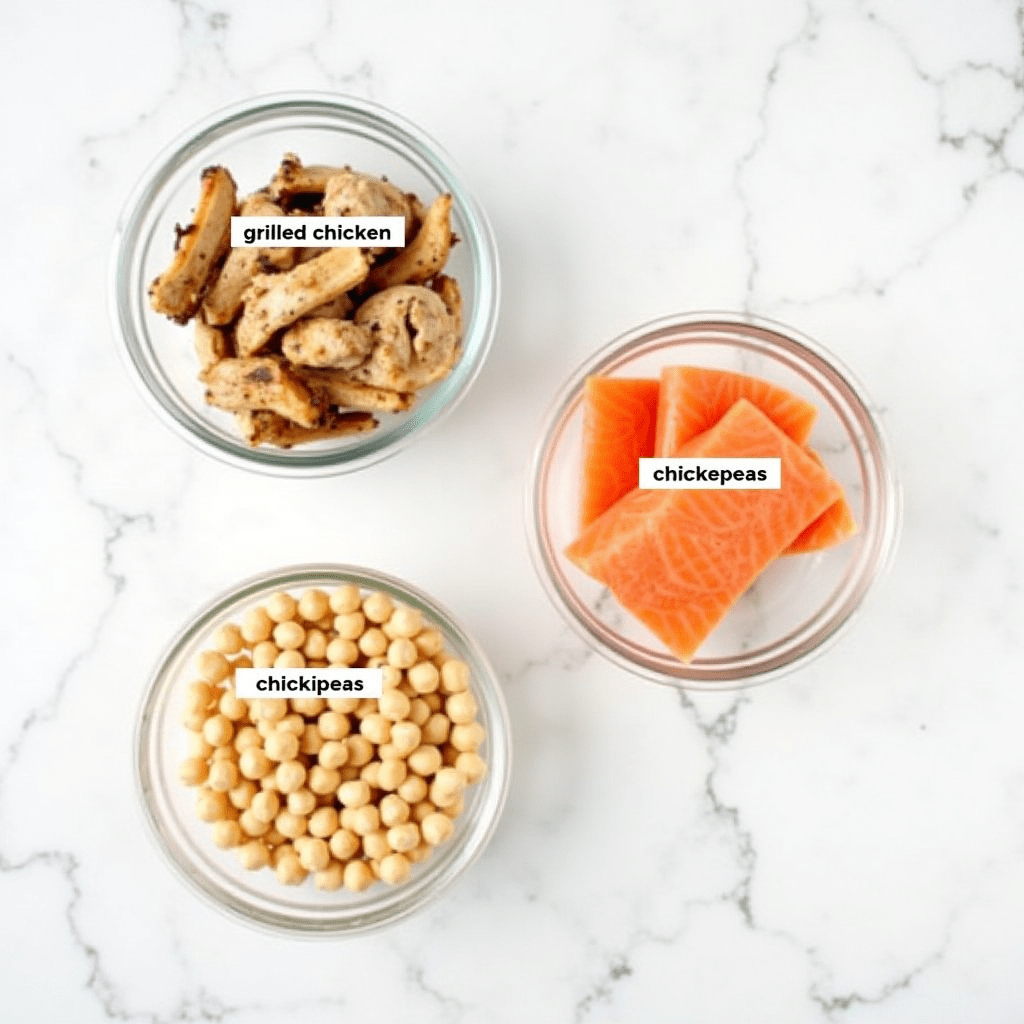
Lunch matters more than most people realize. I go for a grain bowl—brown rice or quinoa, roasted vegetables, and grilled chicken or chickpeas. The key is avoiding the heavy carb bomb that puts you in a food coma by 1:30 PM.
For that mid-afternoon dip, I reach for an apple with almond butter or a handful of mixed nuts. It’s not exciting, but it works. This nutrition guide: isn’t about flash—it’s about consistency.
Foods That Drain Your Focus (And What to Swap Them For)
Some foods are sneakier than others. Energy drinks give you a jolt, but the crash is brutal and the long-term effects on sleep quality will tank your focus for days. Swap them for green tea, which has caffeine plus L-theanine for calm, sustained alertness.
White bread, pastries, and most breakfast cereals are essentially sugar in disguise. Your body processes them too quickly. Switch to sourdough, steel-cut oats, or overnight oats with protein powder mixed in.
Even “healthy” snacks can trip you up. Flavored yogurt often packs more sugar than a candy bar. Go for plain Greek yogurt and add your own berries and a drizzle of honey. You’d be surprised how much better you feel when you take control of the sweetness level.
If you’re building your own nutrition guide: the first step is reading labels. Sugar hides in places you’d never expect—pasta sauce, salad dressing, even some nut butters.
Pro Tips: Things You Need to Make This Easy
Good intentions fail without the right setup. Here’s what makes sticking to this nutrition guide: practical instead of painful:
- Insulated lunch bag (like the RTIC or Yeti Daytrip) — keeps your meals fresh if you don’t have fridge access at work. I meal prep on Sundays and this bag pays for itself weekly.
- Blender bottle — perfect for protein shakes when you’re rushing out the door. I use the BlenderBottle ProStak because it has a storage compartment for powder so you can mix on the go.
- Glass meal prep containers — snap-lock lids (like the Pyrex SimplyStore series) don’t stain, don’t hold smells, and make portion control automatic.
These aren’t fancy investments. They’re the difference between “I’ll just grab something” and actually eating the food you planned to eat.
Hydration: The Forgotten Piece
Mild dehydration—even losing just 1-2% of your body water—impairs concentration, working memory, and mood. Most office workers sip coffee all morning and wonder why their head feels stuffed by noon.
I keep a 32-ounce Nalgene bottle at my desk and aim to drain it twice before lunch. Adding a slice of lemon or cucumber makes it less tedious. Your brain is roughly 75% water; feeding it caffeine without water is like pouring oil into a dry engine.
Any worthwhile nutrition guide: will tell you the same thing—water first, coffee second. Try it for one week and see if your afternoon focus doesn’t improve dramatically.
Frequently Asked Questions
At the end of the day, your diet doesn’t need to be perfect—it needs to be consistent. Start with one meal. Get that right for a week, then add another. That approach has done more for my productivity than any app, hack, or productivity system I’ve ever tried.
ชอบบทความนี้? ค้นพบสินค้าที่เกี่ยวข้องบน Shopee